
Injection Molding
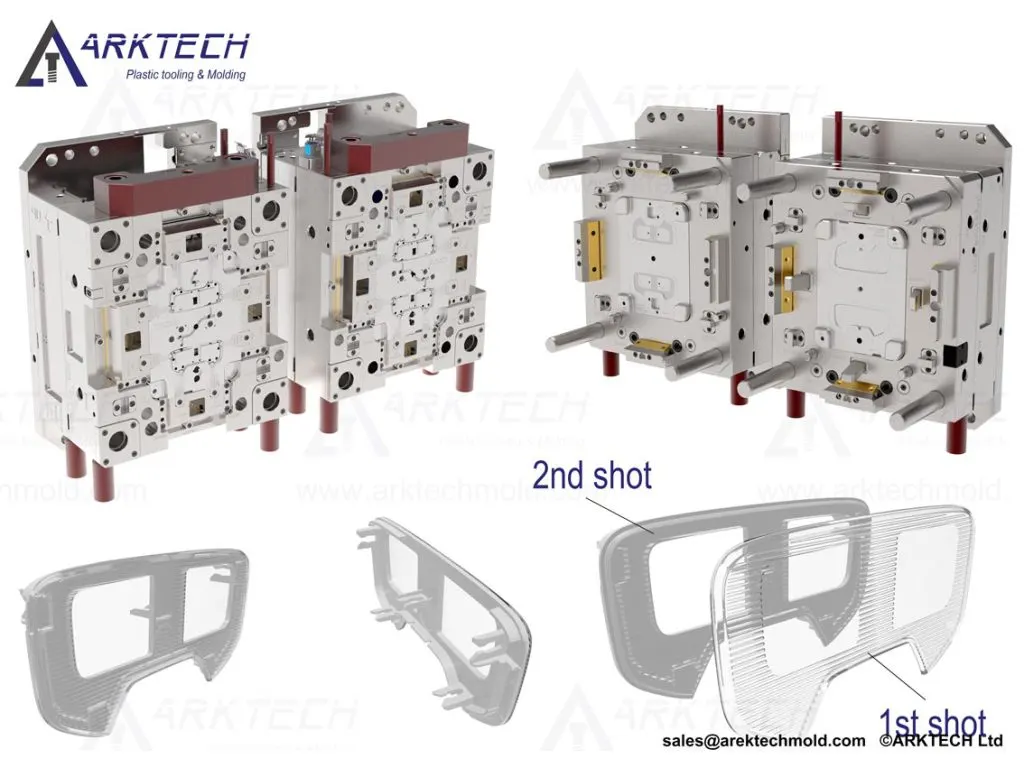
Transparent Plastic Injection Molding
Engineering considerations for transparent molded parts, including resin handling, polishing, flow, gate vestige and cosmetic inspection.
Short Answer
What engineers need to know
Transparent parts make flow, contamination, weld lines, scratches, ejector marks and polishing quality highly visible. Success depends on confirmed resin, clean material handling, suitable tool finish and clear cosmetic acceptance criteria.
Define optical and cosmetic needs
Protect polished steel and parts
Control material preparation
Agree visual inspection conditions
Clarify transparency requirements
A clear protective cover and an optical component have different needs. Define haze, visual zones, distortion and functional light transmission as applicable.
Design the gate and flow path
Gate vestige, weld lines and flow marks should be reviewed against visible and optical zones.
Protect the surface
Tool polishing, handling, packaging and secondary assembly can all introduce visible damage.
Continue the Engineering Review
Related Topics & Project Evidence
Engineering FAQ
Questions about transparent plastic molding
When should transparent plastic molding be reviewed?
Review transparent plastic molding before detailed mold design and steel cutting, while product geometry and tooling decisions can still be discussed efficiently.
Can one rule be applied to every transparent plastic molding project?
No. Resin, part geometry, appearance, tolerance, production volume and molding conditions must be evaluated together for the specific project.