
Demand Ratio
Match cavity quantity to how the related parts are consumed so one component does not accumulate.
Injection Mold Type
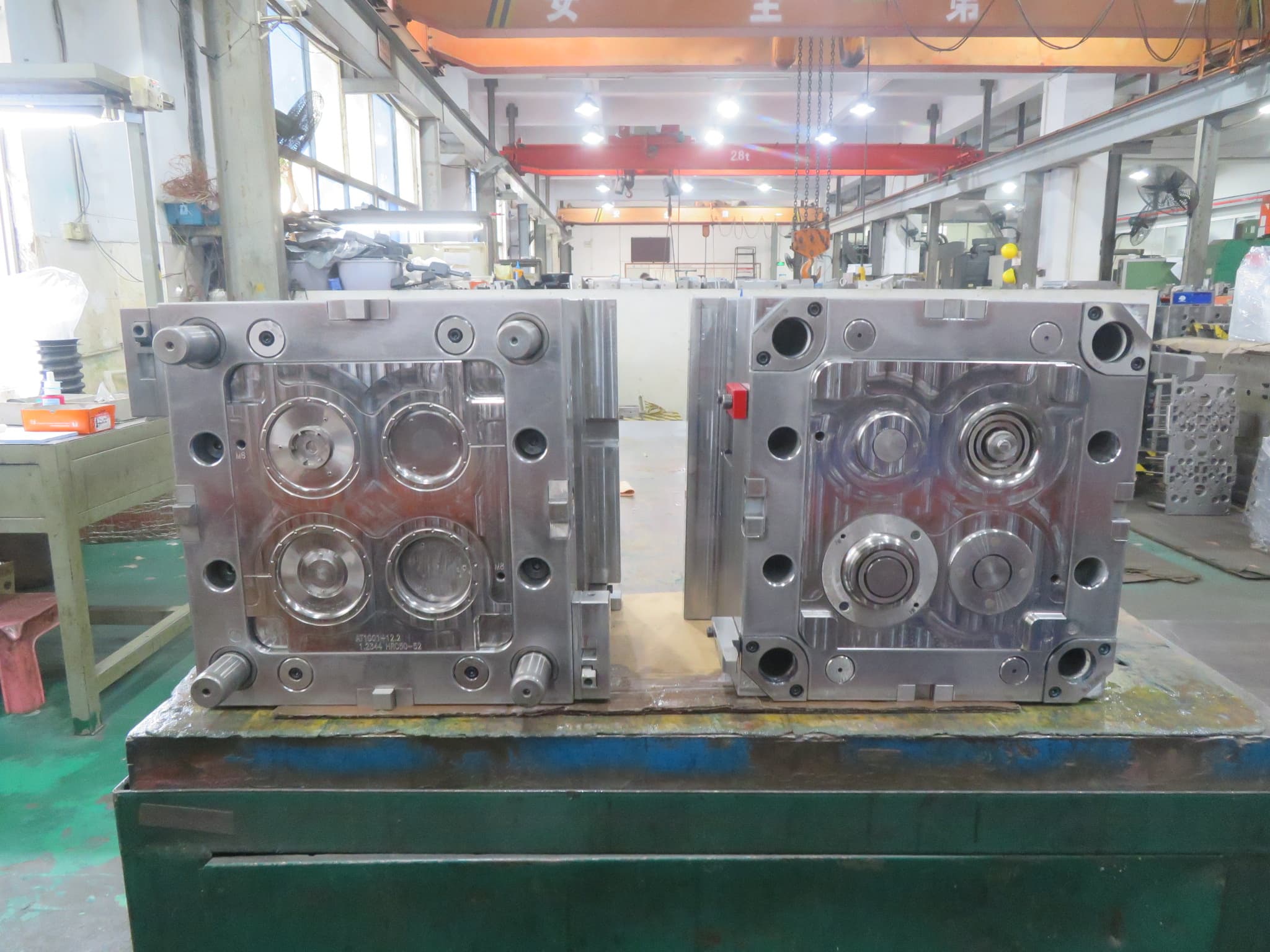
Family molds combine different related parts in one tool when their material, molding conditions, demand ratio and filling behavior can be managed together.
What Makes This Tooling Different
Unlike a multi-cavity mold, which repeats the same part, a family mold produces different components. The decision depends on whether unequal geometry, fill demand and production quantity can share one stable molding window without creating excess inventory or part imbalance.
This tooling route should be selected from the part, material, production demand and receiving-machine requirements—not from a category name alone.
Selection Criteria
Related parts needed in a predictable production ratio
Parts using the same compatible resin and molding window
Geometry that can be balanced within one runner and cooling concept
Type-Specific Engineering
Match cavity quantity to how the related parts are consumed so one component does not accumulate.
Account for different part volumes and flow lengths rather than assuming equal branches are balanced.
Confirm the parts can share melt temperature, mold temperature, packing and cycle conditions.
Review unequal wall and part mass so one cavity does not control the entire cycle unexpectedly.
Critical Tooling Topic
Family tooling combines different related parts; multi-cavity tooling repeats an identical part. Selection should follow production demand and molding compatibility.
Different parts versus identical parts
Part-demand ratio
Shared molding window
Inventory and scheduling impact
Real Engineering Evidence
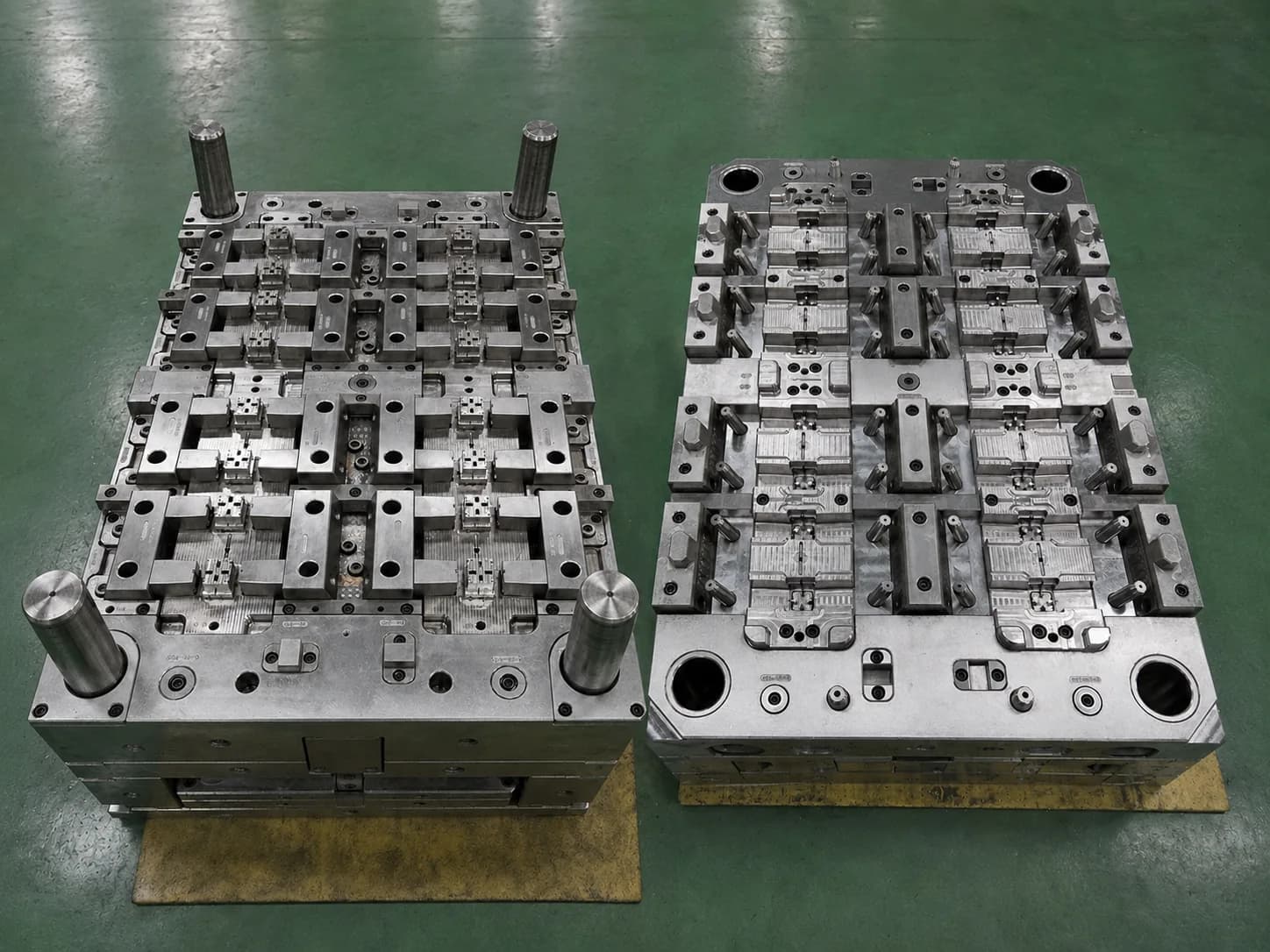
The hero image is an existing real family-mold asset showing different cavity geometries within one tooling set.
Trial & Validation
Review each geometry for short shot, packing and gate behavior.
Inspect the critical dimensions of every related component, not only the largest part.
Confirm all cavities reach acceptable quality under the same stable process.
Check whether the mold output matches how the parts will be assembled or consumed.
Related Capabilities
Project Inputs
FAQ
A family mold produces two or more different but related plastic parts in one molding cycle, usually from the same resin and under one shared process window.
A multi-cavity mold repeats one identical part. A family mold combines different parts, which makes runner balance, cooling and demand ratio more difficult to coordinate.
It may be unsuitable when parts need very different materials, molding conditions, production quantities or fill and cooling behavior.
Each related part should be inspected and functionally reviewed under the same validated molding conditions before the tooling is approved.
Start Your Tooling Review
Send your CAD data, material, volume and receiving-machine requirements for DFM review and tooling quotation.