
Substrate Information
Define the first component, its material, dimensions, surface condition and loading datums.
OVERMOLDING
Overmolding adds material around a prepared substrate to create an integrated part. Material compatibility, mechanical retention, coverage and visible boundaries must be reviewed for the actual combination.
Product Requirements
A useful project review starts with the substrate and the intended function of the second material.
Define the first component, its material, dimensions, surface condition and loading datums.
Provide the exact proposed grade or performance requirements for compatibility review.
Mark the overmold edge, exposed surfaces and cosmetic zones on the drawing.
Describe the intended grip, sealing, protection, appearance or assembly requirement without assuming a specific bond result.
Process Review
Bonding cannot be guaranteed from material family names or color alone; the real grade, interface and product requirement need review.
Real Evidence
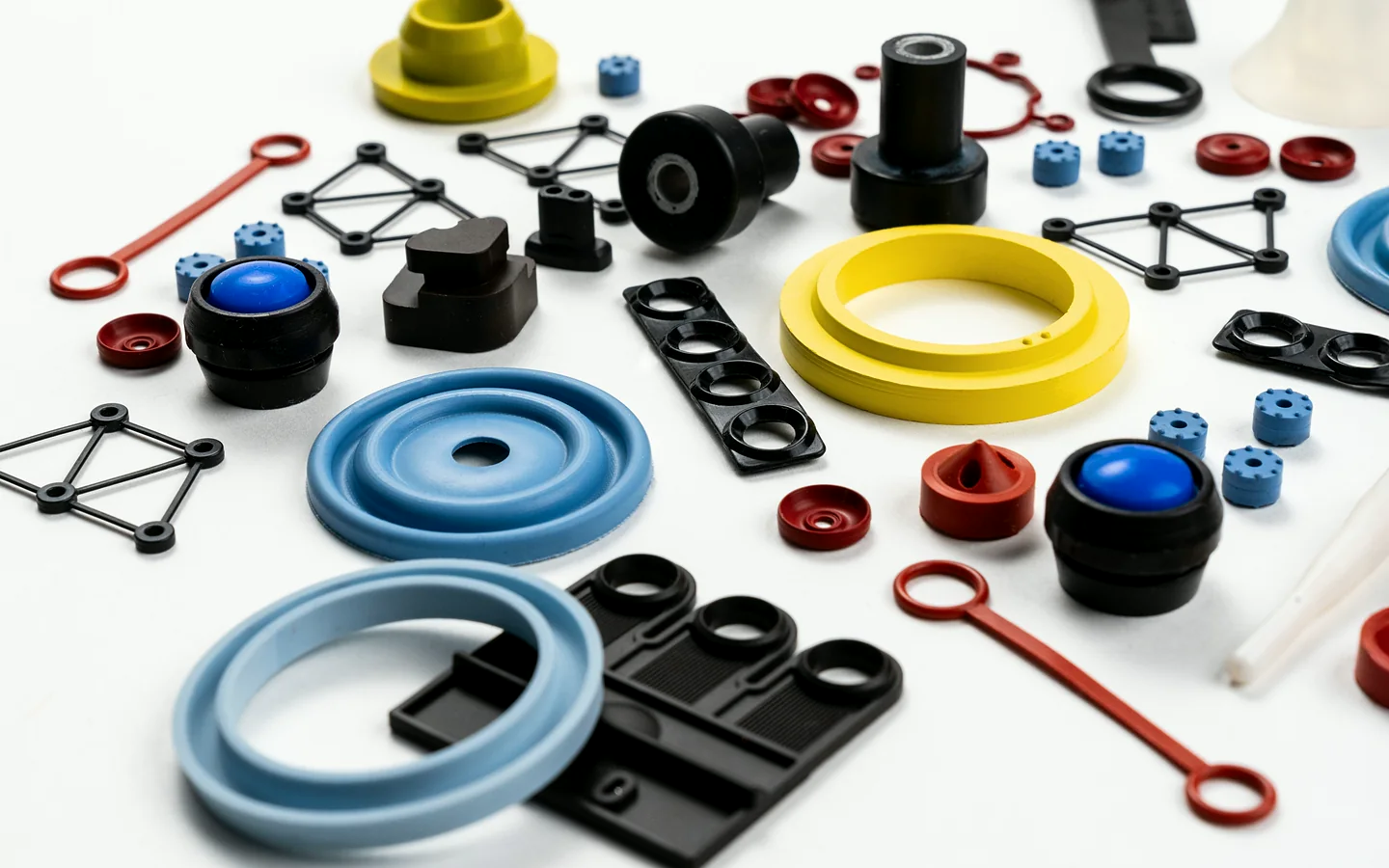
The product visual shows identifiable material boundaries. Tooling and inspection are presented as supporting project evidence.
Real molded components with visible changes in color, geometry and material zones.
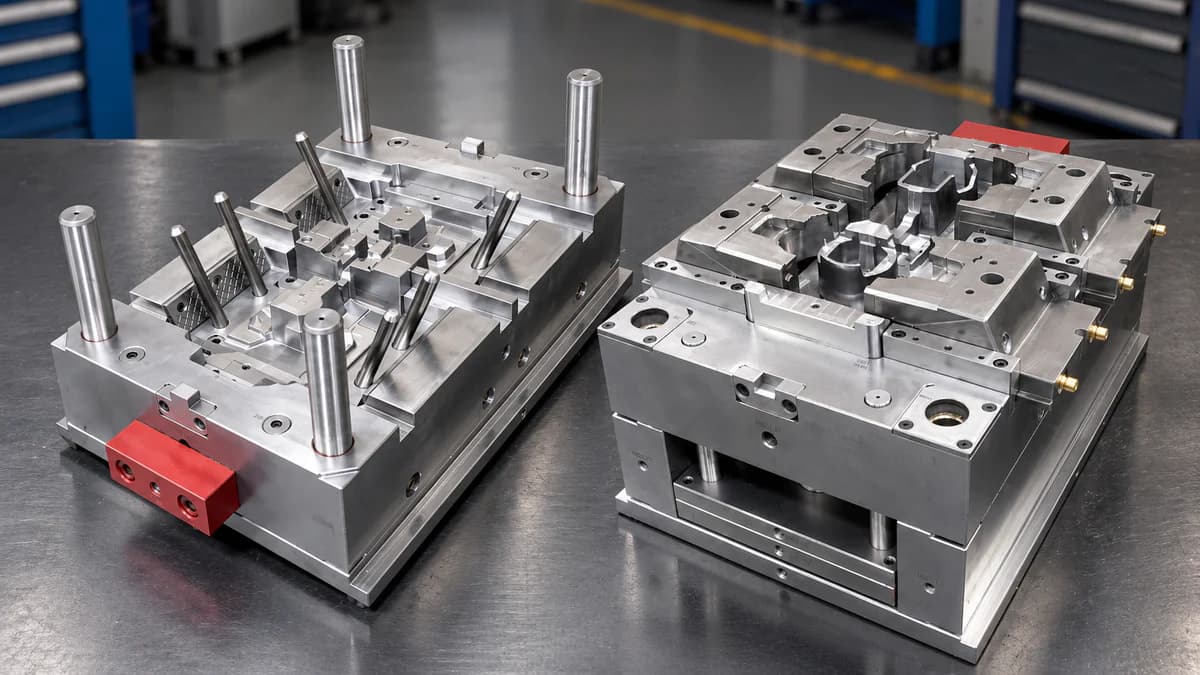
A dedicated tool is reviewed around the substrate location and second-material boundary.
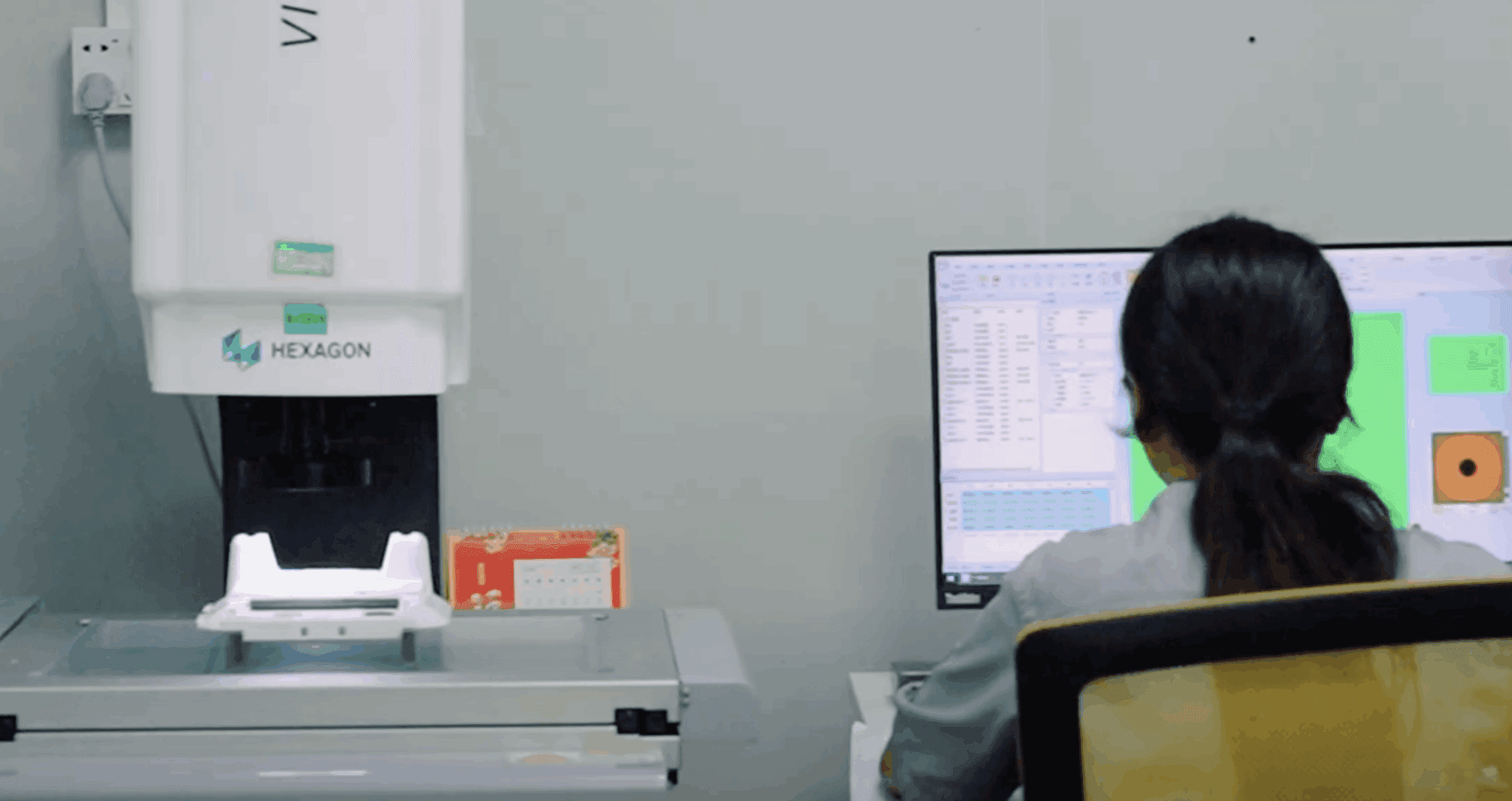
Agreed dimensional and visual checks support review of the finished multi-material part.
Inspection
Acceptance criteria should be tied to the substrate, material boundary and intended product function.
What to Share for Review
The quotation review is more reliable when the part, material, production and inspection requirements are provided together.
Related Technical Paths
FAQ
The proposed substrate and overmold grades, supplier data, interface geometry and intended function are reviewed together. Suitability cannot be confirmed from generic material names alone.
It can be reviewed. The project should define the substrate specification, dimensional condition, cleanliness, presentation and responsibility for supply.
The drawing or approved visual reference should identify the overmold boundary, exposed areas, transition lines and appearance-critical surfaces.
Overmolding commonly uses a separately prepared substrate in a later molding step. Two-shot molding coordinates two shots through a dedicated mold and machine sequence.
Project Review
Share the part files, exact material information, expected production stage and inspection requirements so the tooling and molding scope can be reviewed together.