Two Materials or Colors
Provide the exact proposed grades, colors and interface requirements for review.
TWO-SHOT / 2K MOLDING
Two-shot / 2K molding coordinates two material or color shots within a dedicated tooling and machine sequence. Product geometry, material combinations and the intended interface need project-specific review.
Product Requirements
The product and tooling concept should be reviewed as one coordinated sequence rather than two independent molded parts.
Provide the exact proposed grades, colors and interface requirements for review.
Define how the first shot is retained and which surfaces remain available for the second shot.
Identify the material boundary, visible transition and functional second-shot zones.
Specify critical dimensions, appearance, assembly and interface checks for the completed component.
Process Review
Machine arrangement and production capacity are not assumed. They are confirmed only after the project, tool and proposed manufacturing setup have been reviewed.
Real Evidence
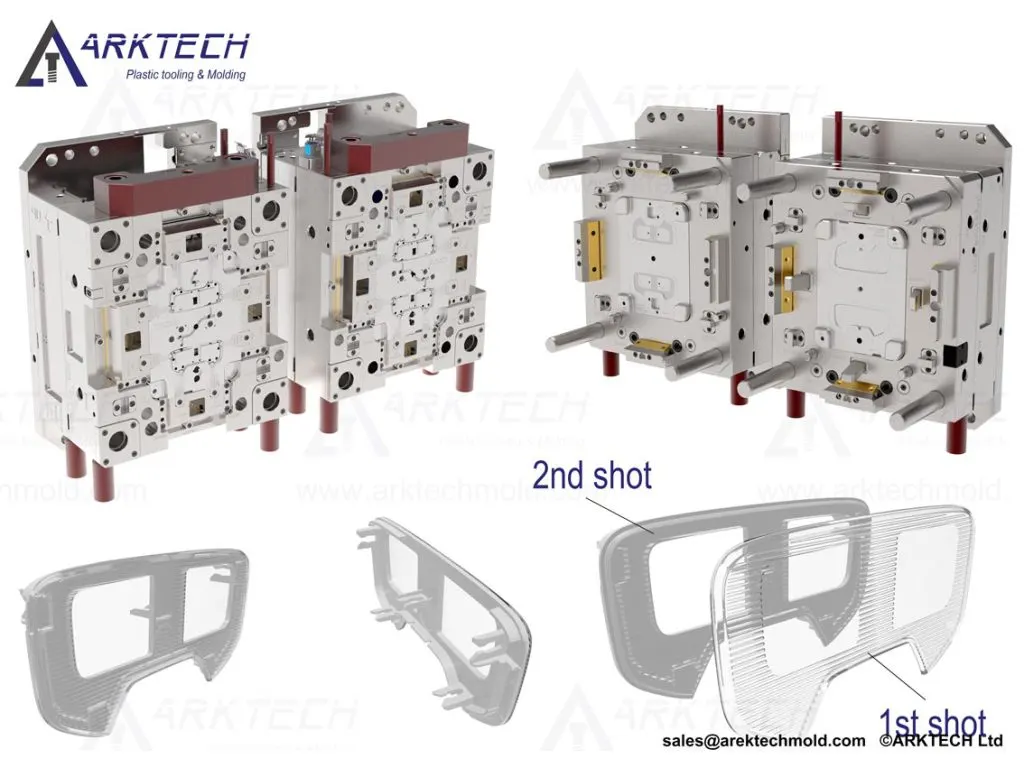
The project image shows first-shot and second-shot tools with the resulting transparent component; it does not establish a universal machine arrangement.
First-shot and second-shot molds shown with a finished light-cover component.
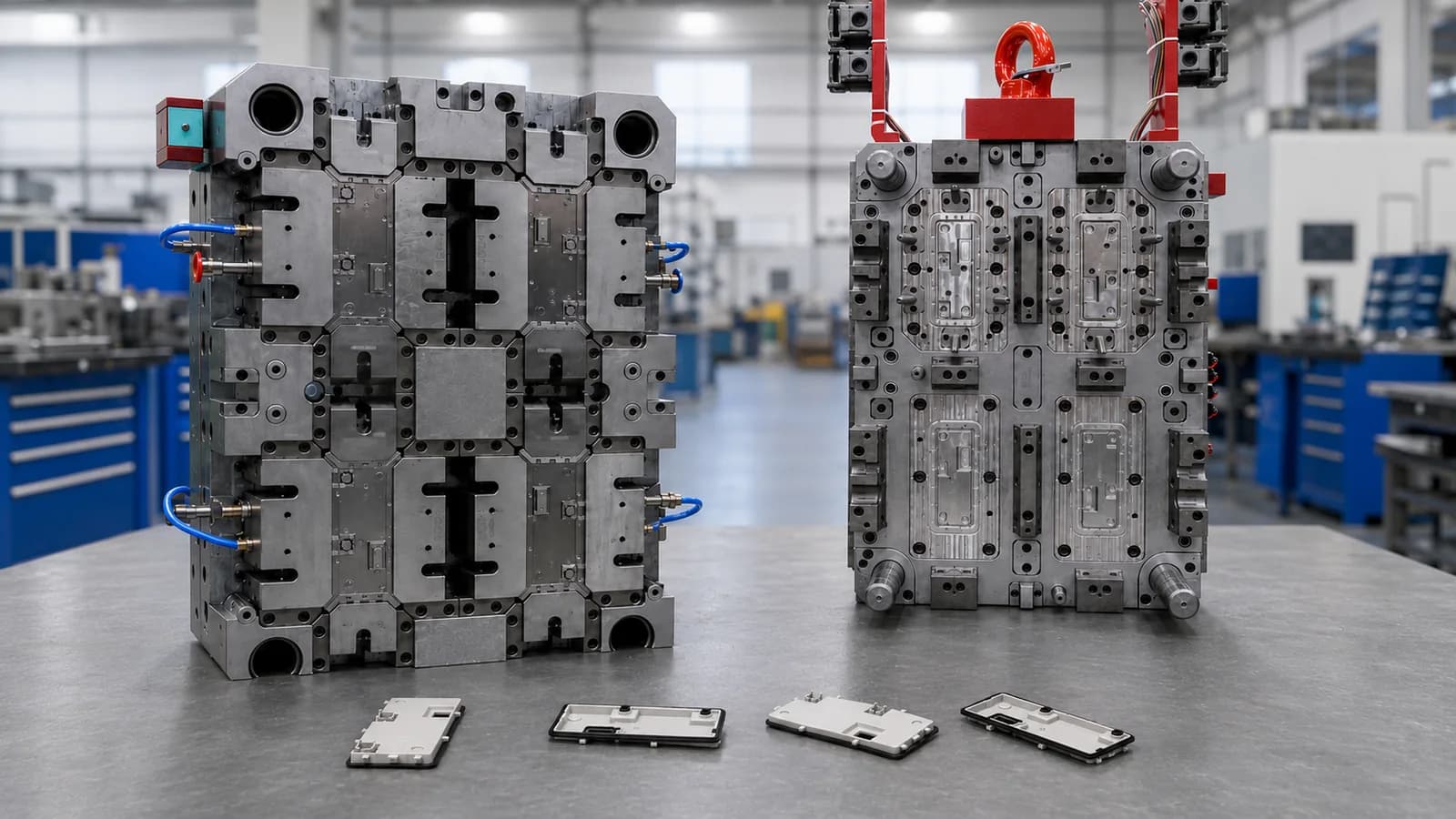
Coordinated tooling is reviewed around the sequence, alignment and material interface.
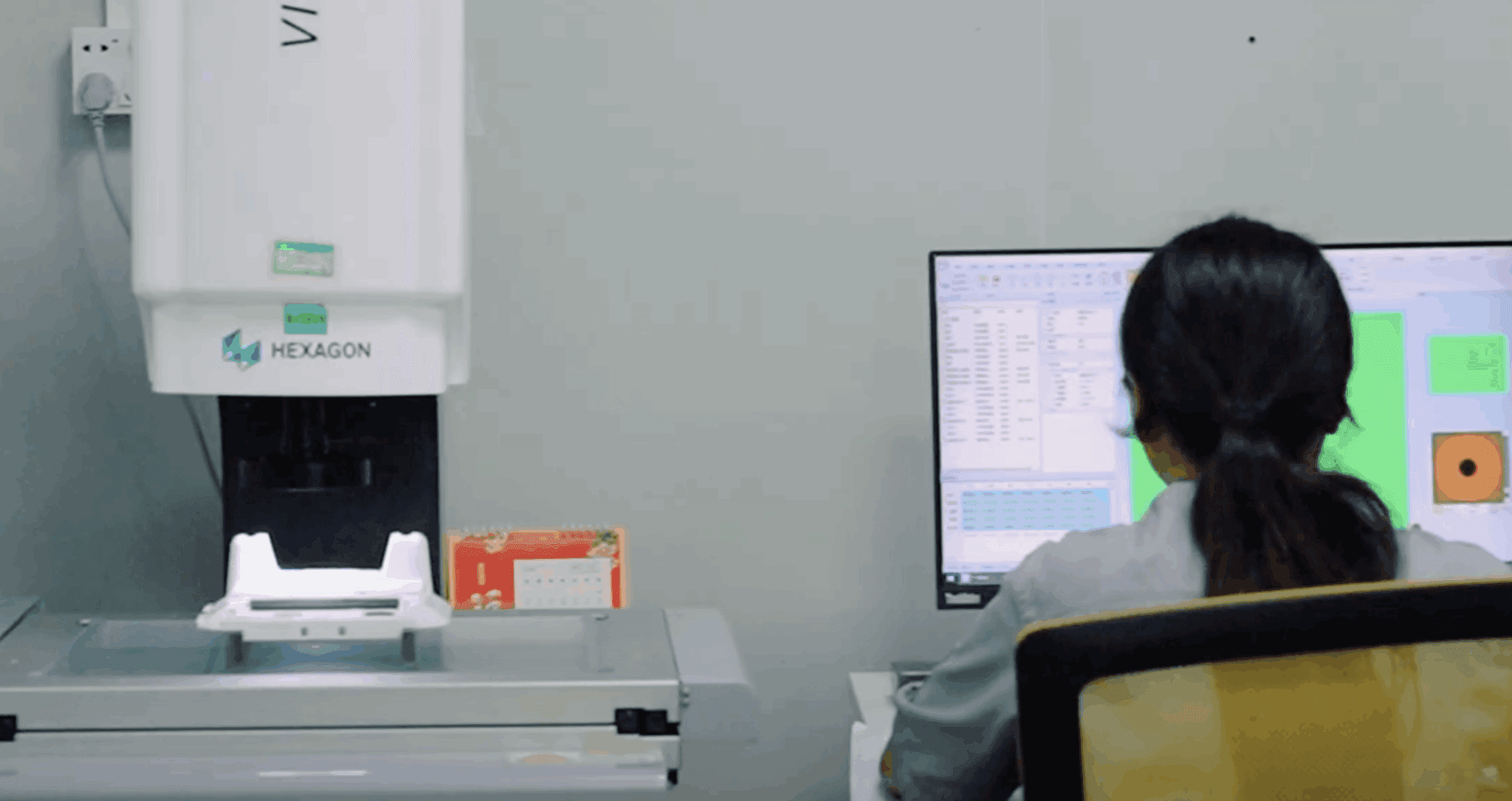
Dimensional and visual checks are agreed for the completed two-shot part.
Inspection
Inspection should address the interface between the shots as well as the finished-part drawing and function.
What to Share for Review
The quotation review is more reliable when the part, material, production and inspection requirements are provided together.
Related Technical Paths
FAQ
Two-shot molding coordinates both shots in a dedicated tool and verified machine sequence. Overmolding commonly loads a separately prepared substrate for a later molding step.
Provide the exact proposed grades, colors, supplier data and the required relationship at the material interface.
The first-shot retention, second-shot coverage, transfer or rotation concept, shutoffs and finished-part geometry all depend on one coordinated sequence.
Checks may cover shot alignment, flash, transition appearance, critical dimensions and project-specific bonding or functional requirements.
Project Review
Share the part files, exact material information, expected production stage and inspection requirements so the tooling and molding scope can be reviewed together.