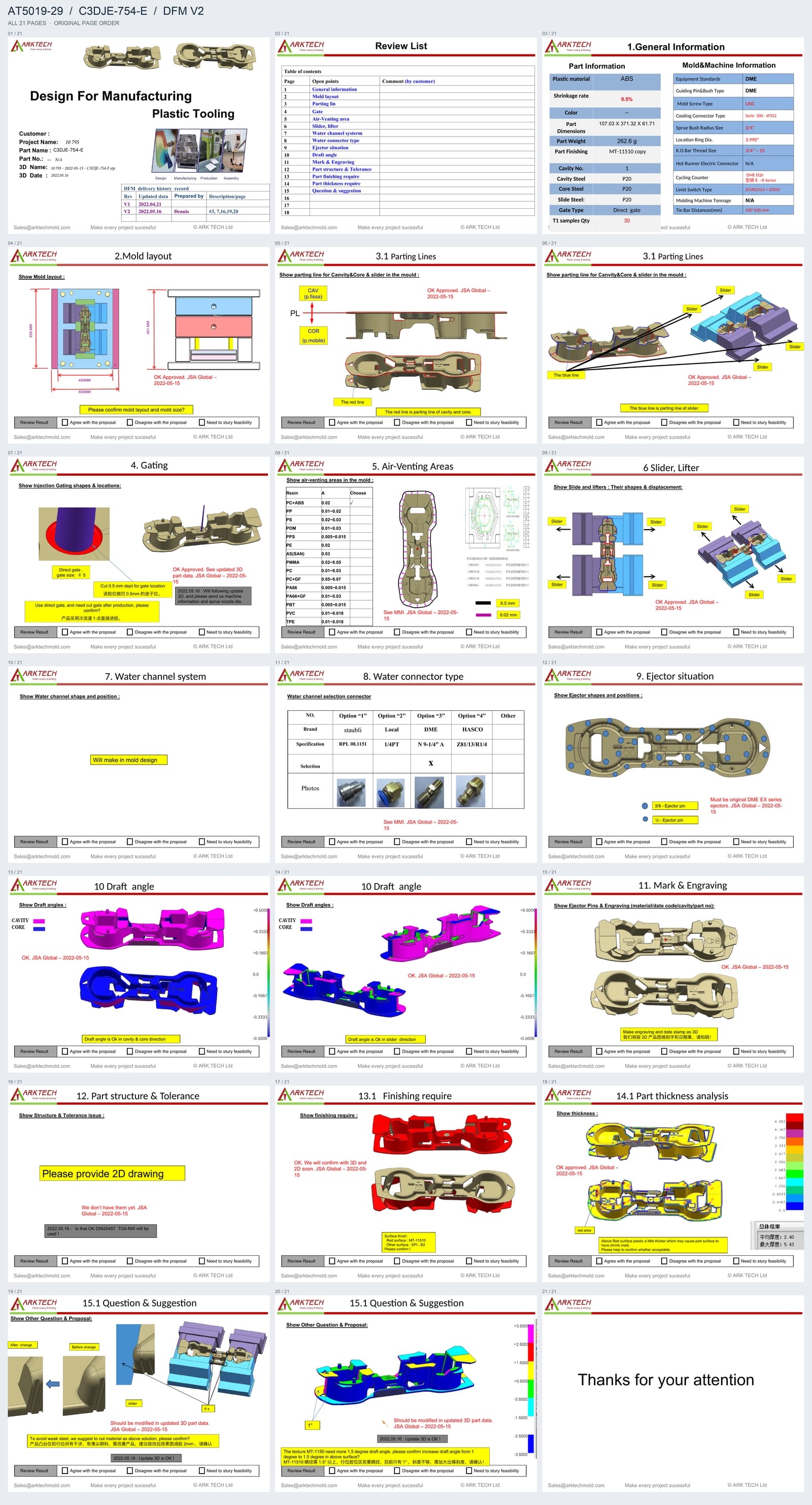
Part Design & Moldability
Wall thickness, ribs, bosses, draft and undercuts reviewed before tooling.
Plastic Injection Molding
Arktech supports injection molding for engineering components, product housings and OEM programs from prototype builds and low-volume production through stable repeat and mass production.
Prototype · Low Volume · Mass Production · Secondary Operations
25–550T
Clamping Force
<2 g to >2.5 kg
Part Weight Range
Prototype → Mass Production
Production Scale
Engineering Thermoplastics
Material Capability
Injection Molding Capabilities
Arktech supports plastic injection molding from engineering samples and low-volume builds through repeat and mass production. Our molding capabilities cover small precision components, larger housings, engineering thermoplastics, insert molding, overmolding and production validation.
25–550T machines <2 g to >2.5 kg molded parts
Production Scale
Support from engineering samples and low-volume builds through repeat production.
Material Capability
Common and engineering-grade thermoplastics selected around product, performance and manufacturing requirements.
Complex Molding
Insert molding and overmolding for integrated components, interfaces and multi-material applications.
Production Validation
Sample review, dimensional inspection and validation before production release.
Have a part ready for molding?
Co-Design & Material Support
Arktech works with product teams before tooling to review part geometry, moldability, material requirements and production risks. When needed, we also coordinate with raw-material suppliers to support resin selection and processing requirements.
Wall thickness, ribs, bosses, draft and undercuts reviewed before tooling.
Evaluate resin properties around strength, heat, chemical resistance, shrinkage and appearance.
Review part geometry, gate strategy, shrinkage and tooling requirements before steel cutting.
Coordinate technical data and processing input with material suppliers when required.
Not sure whether your part or material is ready for tooling?
Production Planning
Arktech supports plastic injection molding from prototype validation through low-volume production and repeat manufacturing. We help product teams choose the right production path based on validation stage, part complexity, demand planning and long-term supply requirements.
Programs can include DFM review, tooling support, mold trials, process setup, sample approval, inspection and secondary operations depending on the stage of production.
Production-intent molded parts for design verification, functional testing and early customer evaluation before larger-volume production.
Support focus: Engineering samples · Functional validation · Early DFM alignment
View production stage →Controlled injection molding support for bridge production, pilot builds, market launch and specialist programs that do not yet require full-scale output.
Support focus: Bridge production · Pilot runs · Launch support
View production stage →Repeatable molding programs with process validation, part inspection, secondary operations and assembly support for ongoing OEM supply.
Support focus: Stable supply · Quality control · Repeat production
View production stage →Need help choosing the right production path?
Material Selection
Arktech supports material selection for injection molding based on mechanical performance, dimensional stability, heat and chemical resistance, appearance, regulatory requirements and production conditions.
During DFM and tooling development, we can also review resin behavior, shrinkage and processing requirements against part geometry and end-use needs.
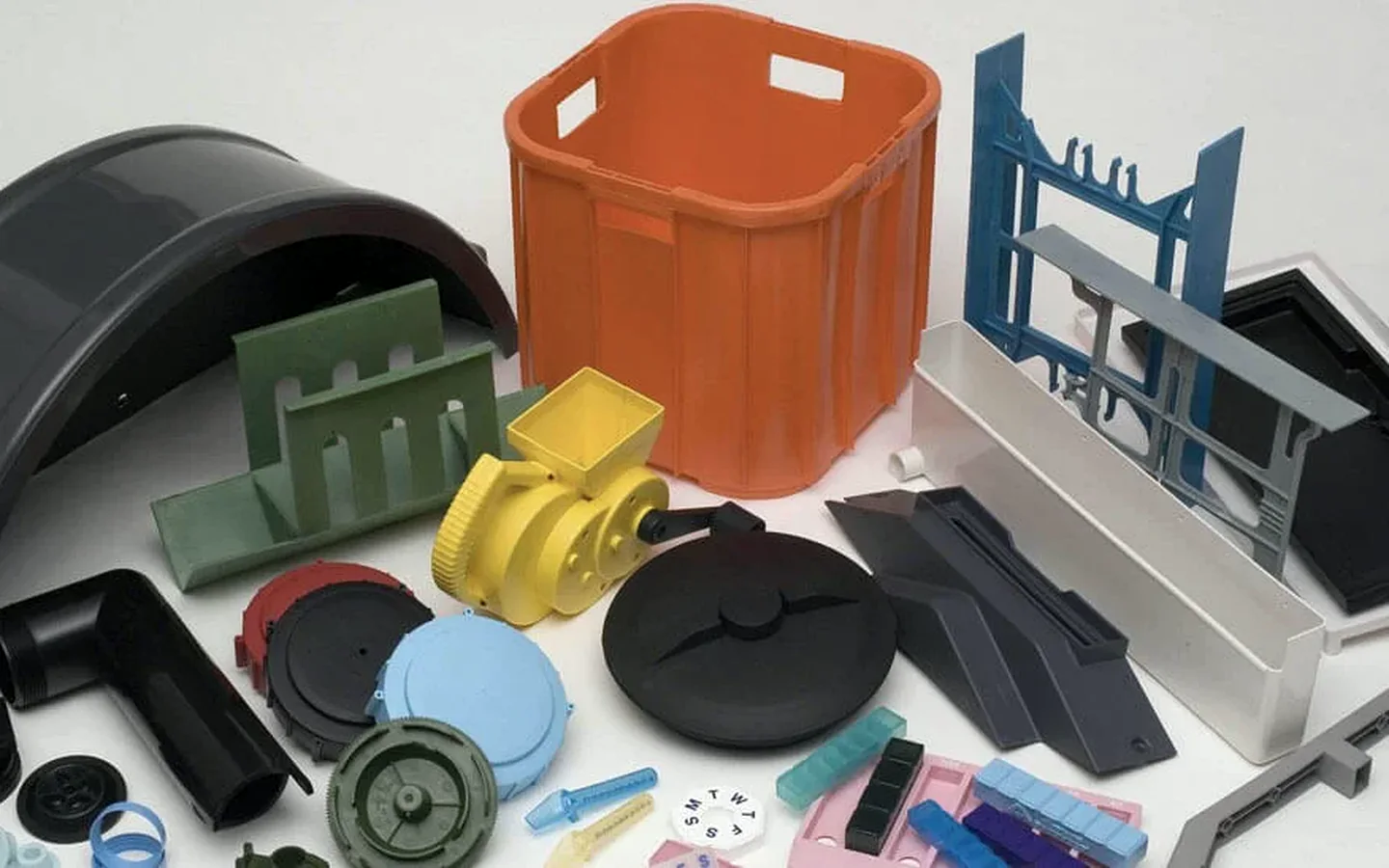
Material Families
Common materials for molded housings, covers, consumer products and general functional components.
Materials selected where strength, wear resistance, dimensional stability, toughness or flexibility are important.
Application-specific materials for higher temperature, stiffness, chemical resistance and demanding engineering requirements.
Final resin grade, glass-fiber content, additives, color and certification requirements are confirmed against project specifications before production.
Material Selection Considerations
DFM & Moldability Review
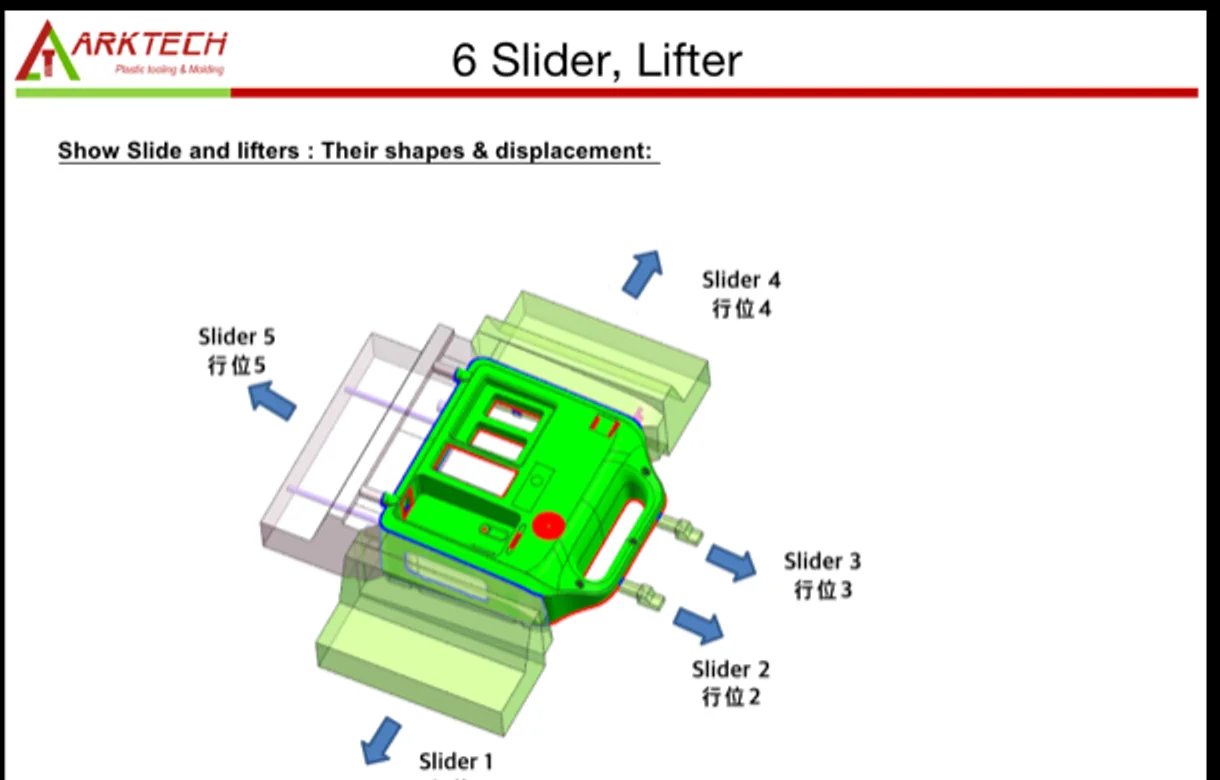
Injection molding DFM reviews complex undercuts and moving mold features before mold design and steel cutting. Slider and lifter analysis helps define release direction, travel, clearance, shut-off conditions and ejection sequence.
Tooling Engineering Review
Slider and lifter mechanisms are reviewed during DFM to confirm undercut release, movement direction, shut-off conditions, insert structure and sufficient space for reliable mold operation.
The review helps identify tooling risks before mold design and steel cutting, especially for parts with side actions, deep undercuts or complex release requirements.
Confirm how side undercuts can be released without part damage or mold interference.
Review movement distance, available space and mechanism clearance for stable operation.
Evaluate shut-off surfaces, insert construction and steel conditions around moving features.
Check slider, lifter and ejection sequences to reduce collision and release risk during mold operation.
Production Workflow
From CAD review and DFM through tooling, trial, production and final delivery, Arktech coordinates each stage to help OEM teams move from design to stable molded-part supply.
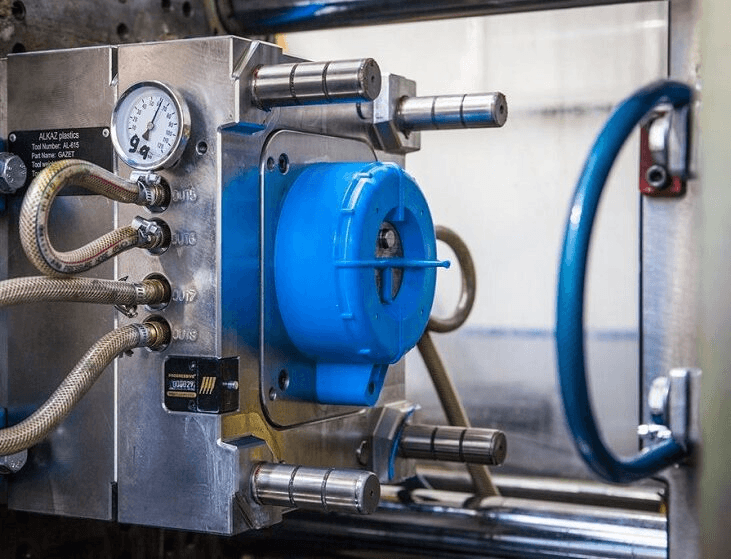
Review CAD data, drawings, material, expected volume, finish and assembly requirements before tooling release.
Confirm tooling readiness, resin specification, color, additives and material drying requirements before molding.
Establish process conditions, review molded samples and complete required engineering corrections before approval.
Run approved molding conditions with process monitoring, dimensional inspection and visual checks based on project requirements.
Complete required finishing, assembly, packaging and delivery preparation.
Upload your CAD files for DFM review and production planning.
Specialty Molding
Arktech supports insert molding, two-shot / 2K molding and in-mold labeling for parts that require integrated inserts, multiple materials or colors, and molded-in decorative surfaces. Production tooling can also incorporate multi-cavity layouts, hot runners and unscrewing mechanisms based on part geometry, materials and expected production volume.
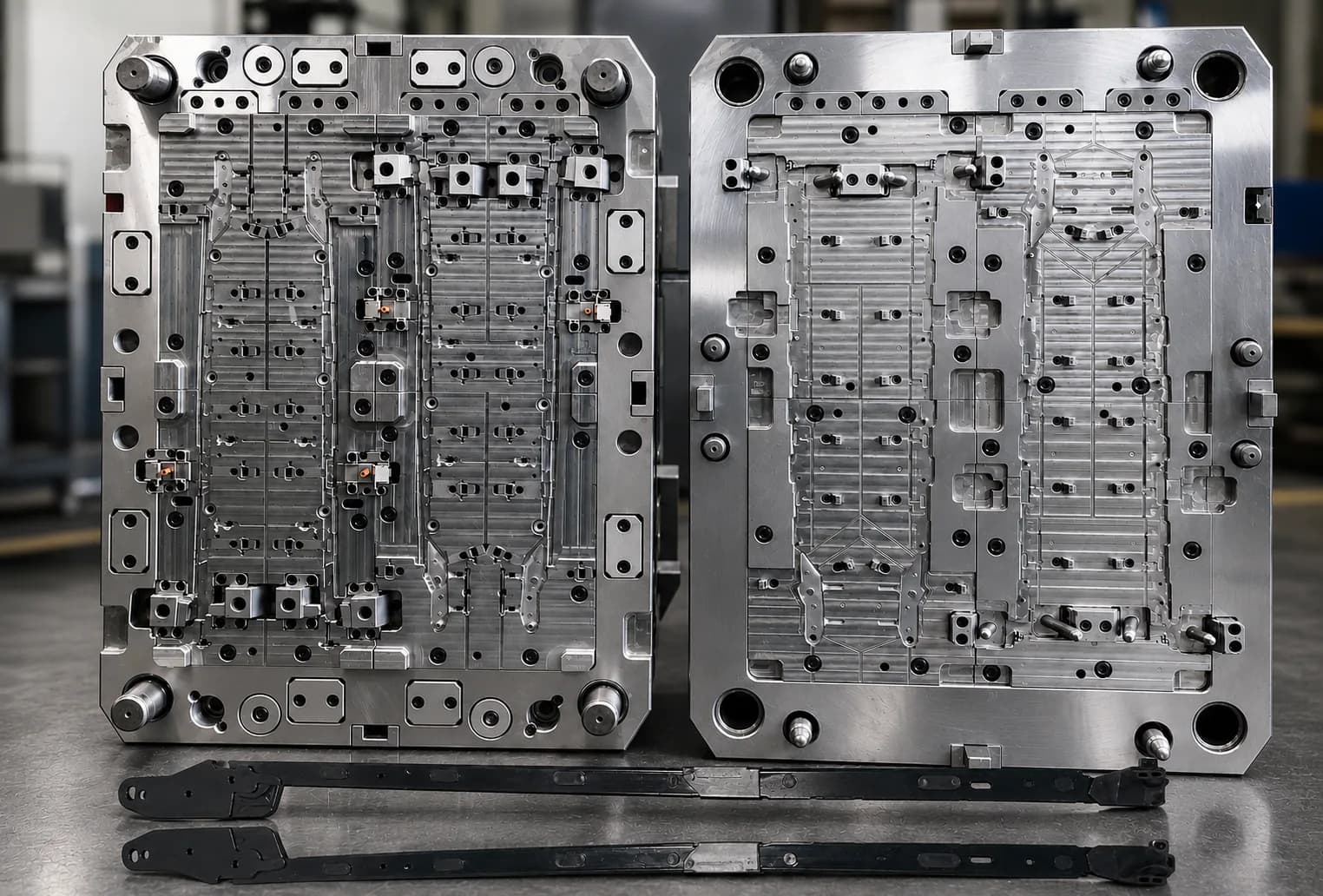
Mold plastic around threaded inserts, bushings or other pre-positioned components to create stronger assembly interfaces and integrated functional features.
Typical applications: Threaded inserts · bushings · contacts · embedded components
Explore Insert Molding →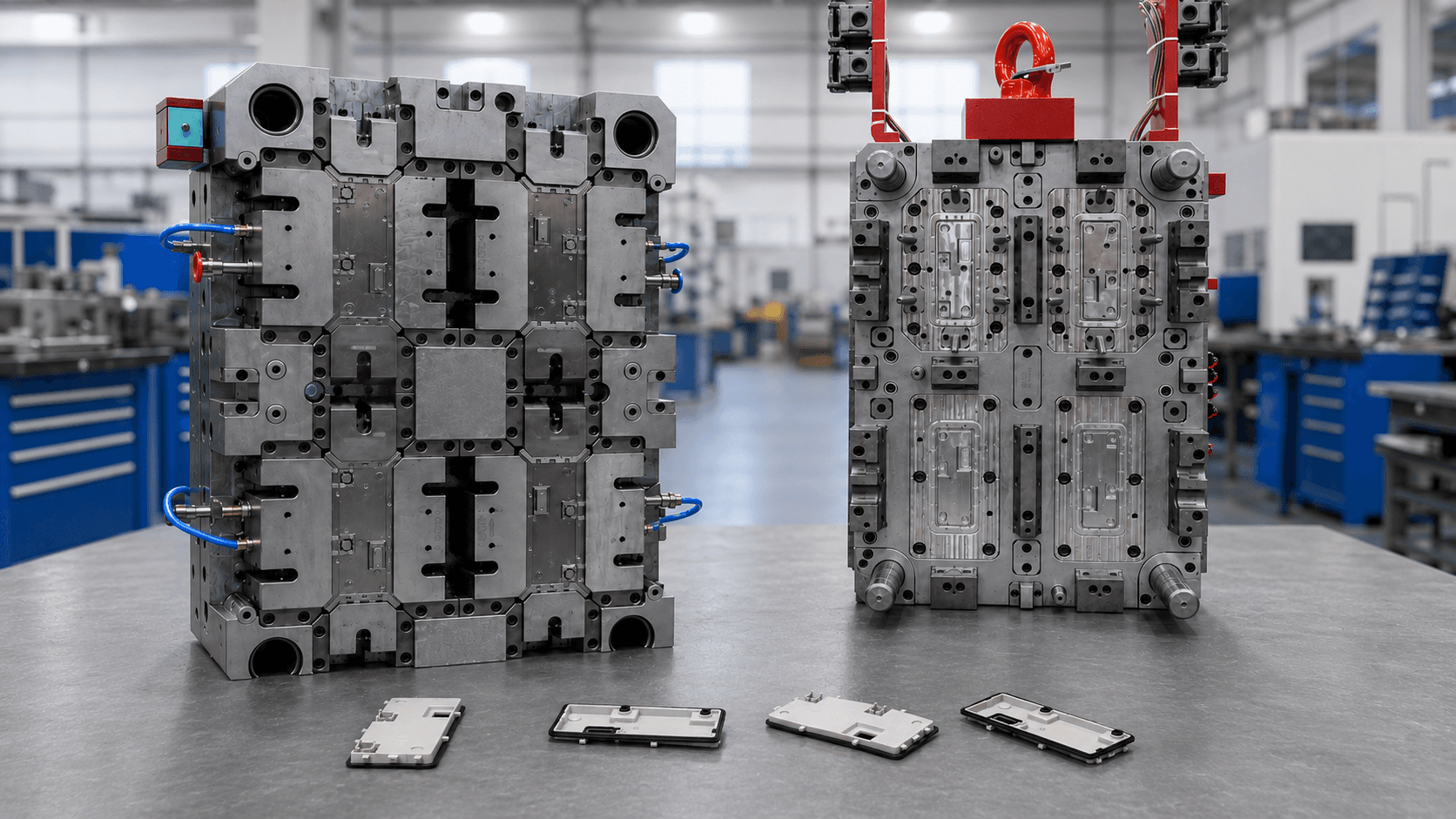
Integrate two compatible materials or colors within a controlled molding process for multi-material parts and repeat production.
Typical applications: Dual-material parts · two-color components · integrated soft / rigid parts
Explore 2K Molding →.png&w=3840&q=75)
Position labels or decorative films in the mold so they become integrated with the plastic part during the injection molding cycle.
Typical applications: Decorative films · labels · graphics · integrated surface decoration
Discuss IML Project →Production Tooling Options
Tooling architecture is selected around output, resin behavior, threaded features and appearance requirements.
Higher-output production using multiple balanced cavities for repeatable part production.
Explore Multi-Cavity Molds →Runner-control solutions that can reduce material waste and support more stable repeat production.
Explore Hot Runner Molds →Controlled core rotation and tooling mechanisms for molded internal or external threaded features.
Explore Unscrewing Molds →Controlled gating for applications requiring improved gate control, multi-cavity balance or cosmetic performance.
View Valve Gate Support →Part Validation
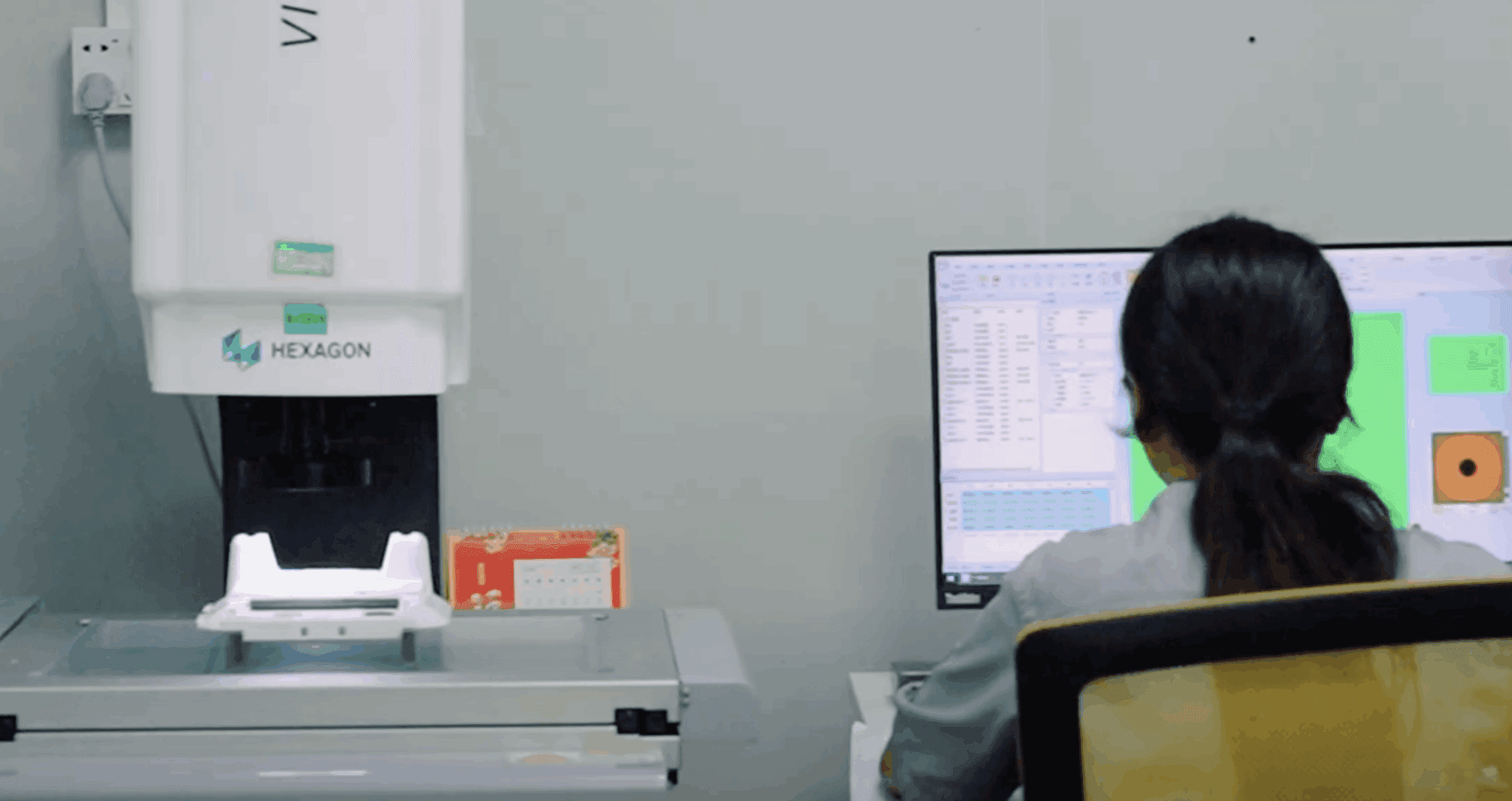
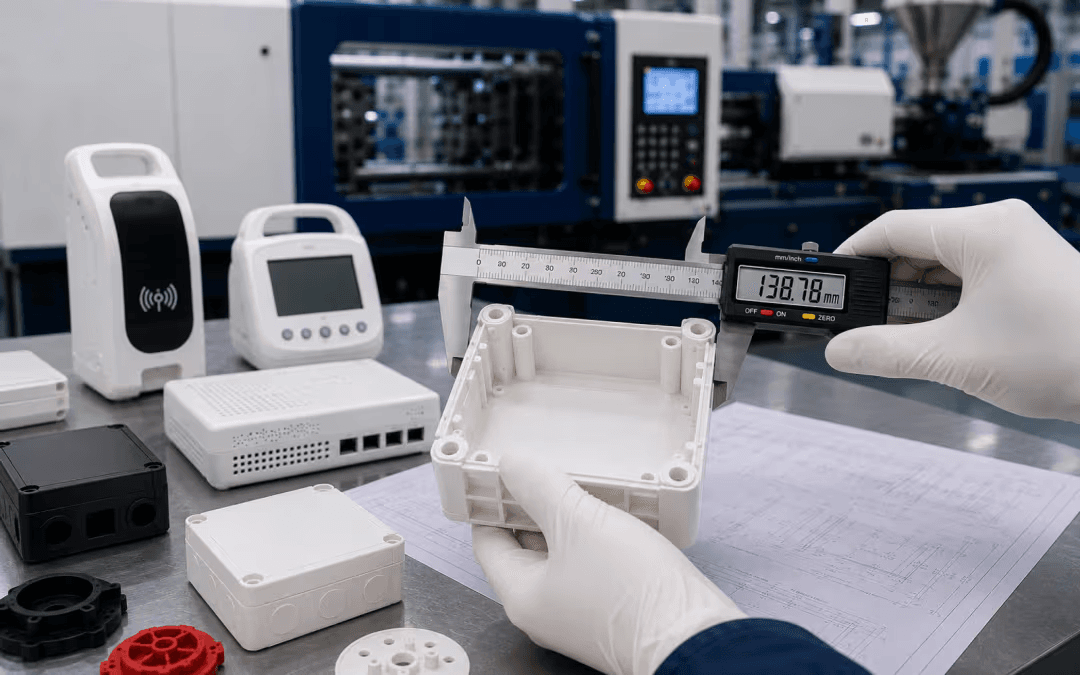
Inspection requirements are defined around customer drawings, critical dimensions, approved samples and functional or cosmetic risks. Arktech can support dimensional inspection, visual review, fit verification and sample validation before production release.
01
Critical dimensions are checked against customer drawings and agreed tolerances to support sample review, tooling approval and production release.
02
Molded parts are reviewed for visible defects and appearance requirements such as flash, short shots, sink marks, deformation, color, texture and surface finish when specified.
03
Interfaces, inserts, mating features and functional fit can be reviewed to confirm that molded components meet agreed assembly requirements.
04
T0 / T1 samples are reviewed against customer requirements, with engineering corrections and follow-up actions managed before production approval when required.
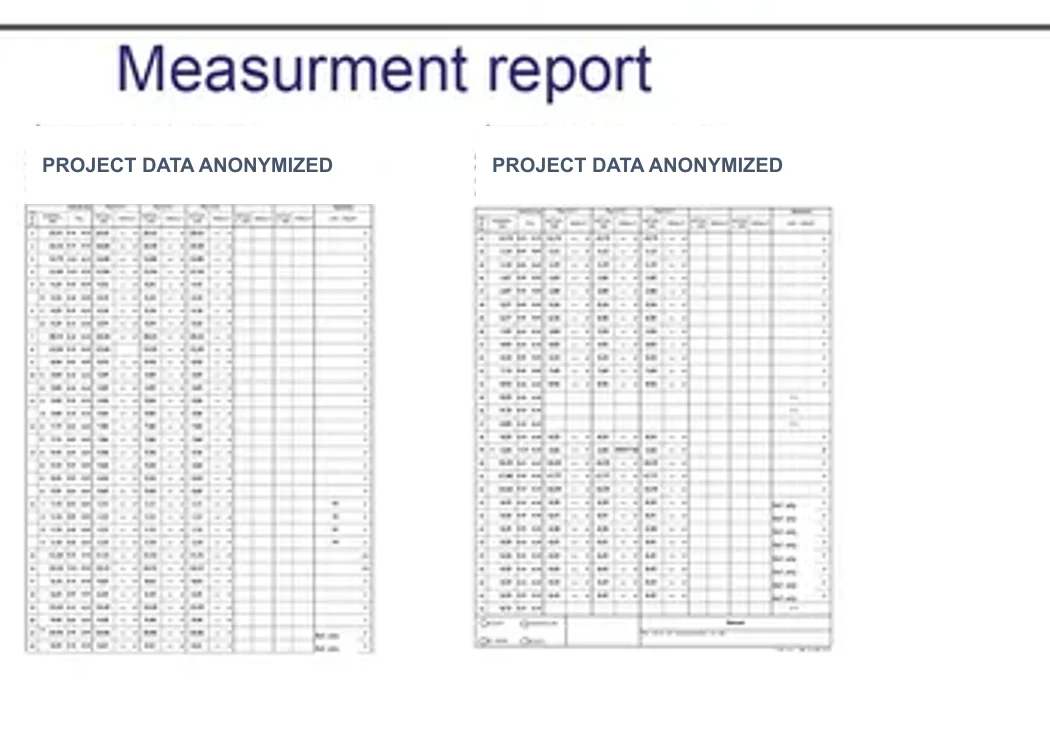
Dimensional Inspection Report
Critical dimensions can be recorded against drawing requirements to support tooling approval, sample validation and production release.
Representative Arktech report preview with customer and project identification removed.
Part Completion
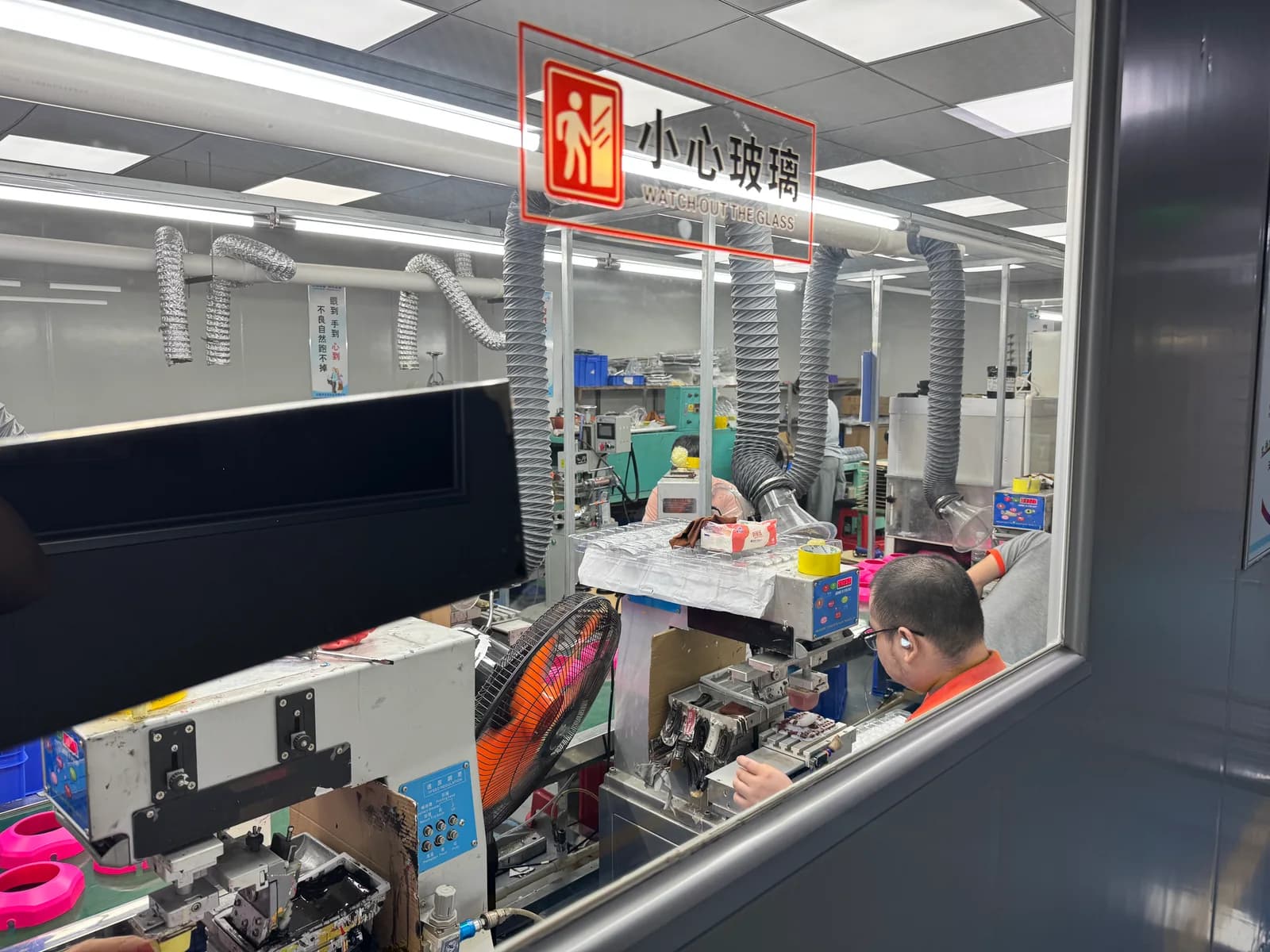
Post-molding services help turn molded components into production-ready parts through printing, welding, insert installation, assembly, inspection and packaging.
By coordinating molding and secondary operations under one project, customers can reduce supplier handoffs and receive parts closer to final assembly condition.
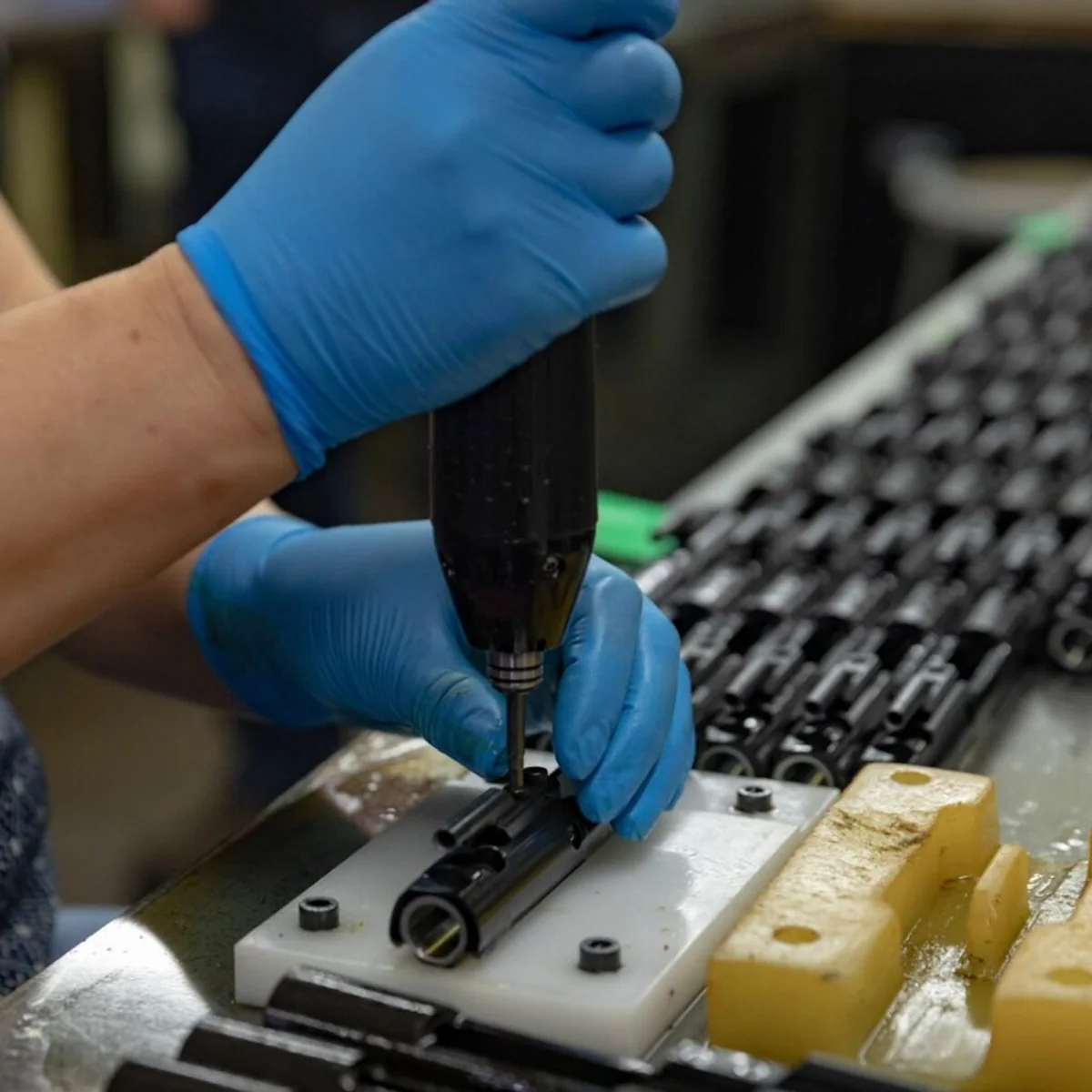
Process Detail
Close-up component assembly and fit verification for molded plastic parts.
01
Add logos, labels, symbols and functional markings to molded plastic parts using appropriate post-molding marking processes.
02
Join molded plastic components using controlled post-molding processes for permanent assembly and production-ready part integration.
03
Install threaded inserts, fasteners and related components, then complete part or sub-assembly work based on project requirements.
04
Complete required finishing, visual inspection and production packaging so molded parts can move closer to final assembly or delivery condition.
OEM Applications
Arktech supports injection molded housings, enclosures, structural parts and functional plastic components across robotics, medical devices, automotive, smart products, EV charging and other OEM applications.
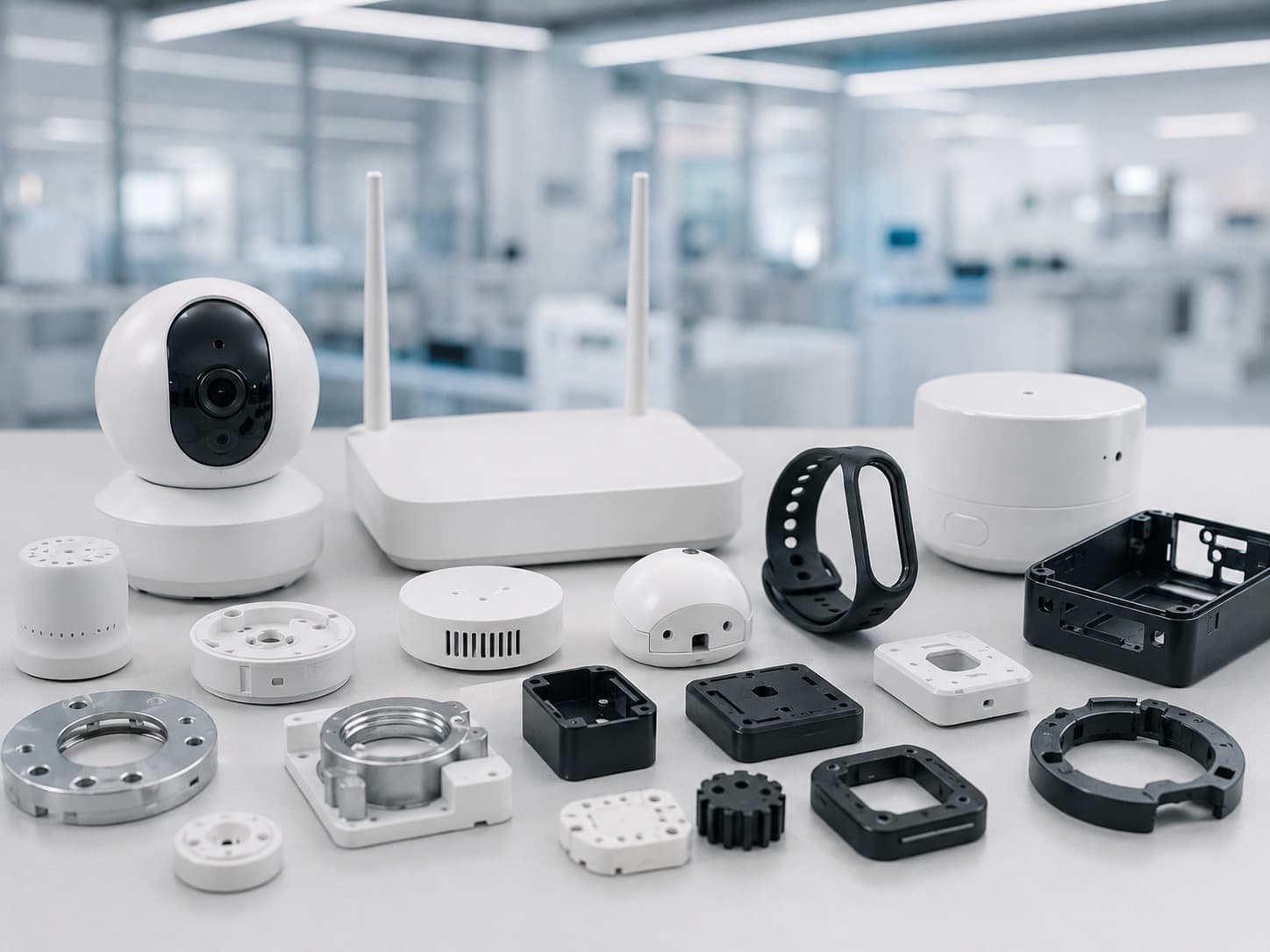
Controller housings · Sensor enclosures
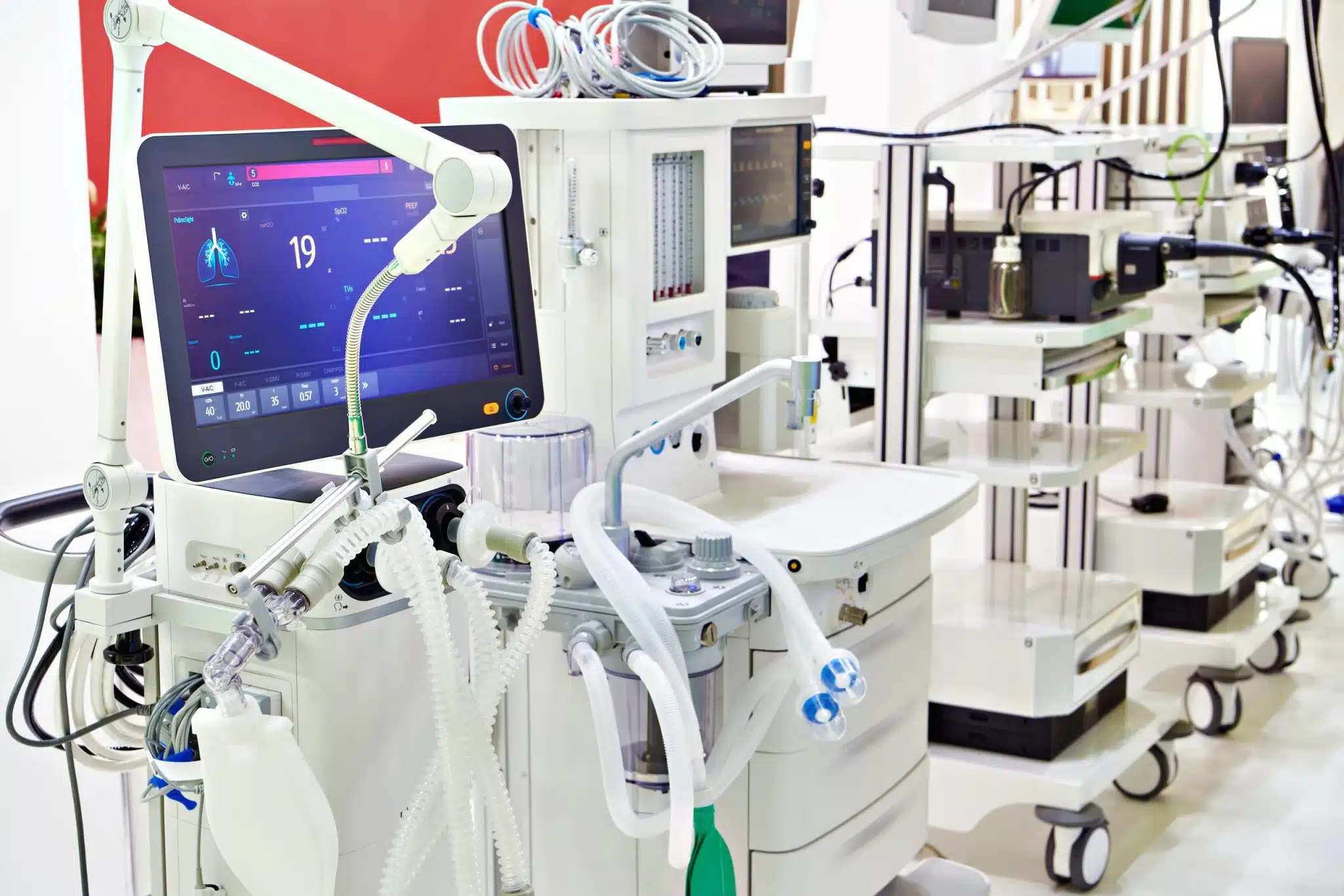
Medical housings · Precision plastic parts
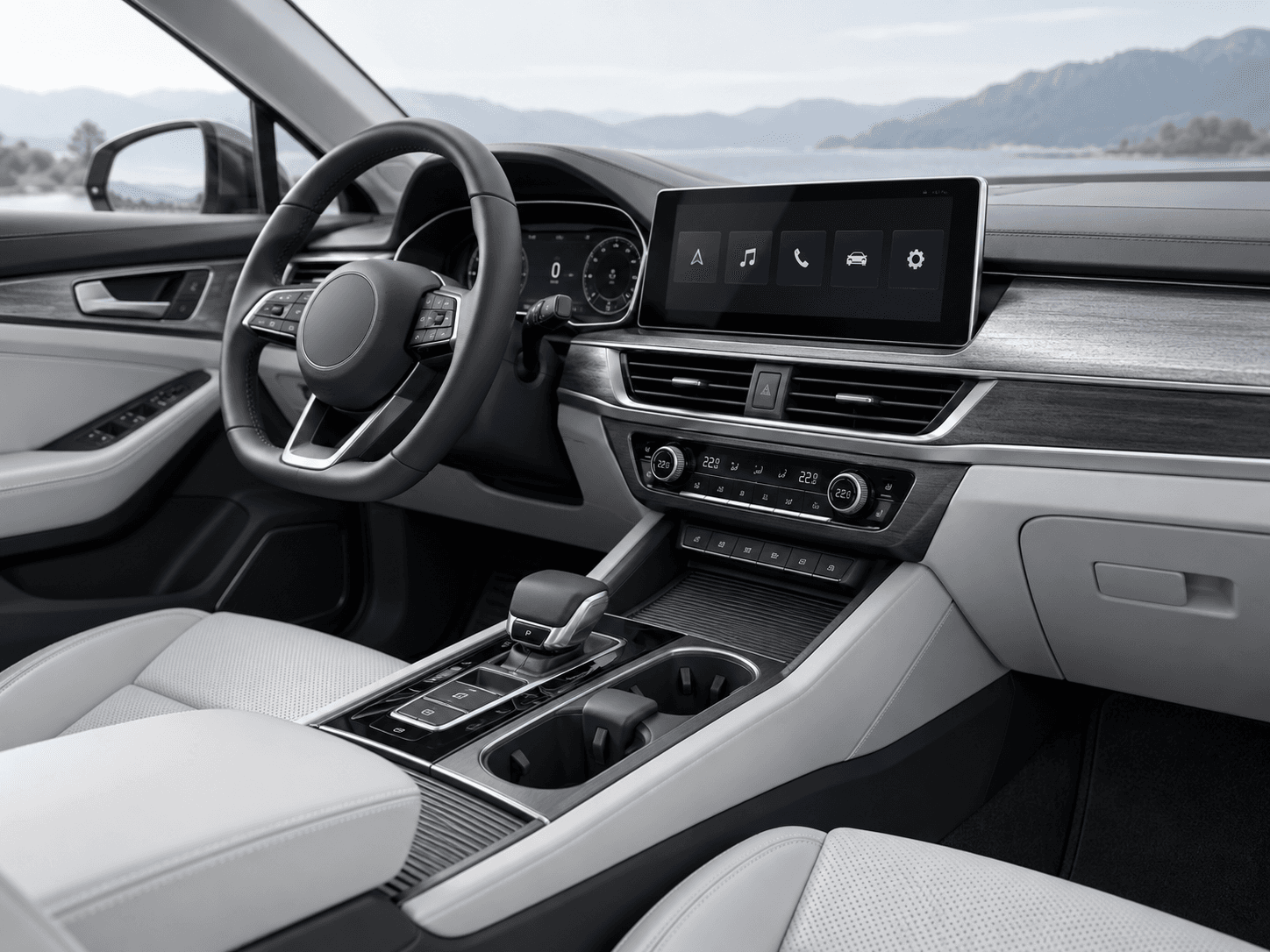
Interior parts · Control housings

Device housings · Sensor enclosures

Charging housings · Connectors

Appliance housings · Control panels

Smart feeders · Device housings

Electronic enclosures · Insert-molded parts
Explore industry-specific tooling, materials, engineering considerations and molding applications for your product category.
Explore All Industries →Why Arktech
Arktech combines DFM engineering, tooling, injection molding, part validation and secondary operations under one coordinated project. This helps product teams reduce supplier handoffs, identify manufacturing risks earlier and move from development into repeat production with clearer engineering communication.
01
Review manufacturability before steel cutting
Part geometry, material, tooling risks and assembly requirements are reviewed before tooling release to help reduce avoidable engineering changes later in the project.
View DFM Engineering02
One engineering path from mold development to molded-part production
Mold design, tool manufacturing, mold trials, corrections and production molding can be coordinated through the same engineering and project team.
Explore Injection Mold Manufacturing03
Review samples, dimensions and fit before production release
T0 / T1 samples, critical dimensions, visual requirements and assembly fit can be reviewed before production approval based on project needs.
View Quality & Documentation04
Coordinate finishing, assembly and complementary manufacturing support
Secondary operations, assembly and complementary metal-component support can be coordinated through the wider Arktech Group when a project requires a broader manufacturing scope.
Explore Arktech GroupReal Production
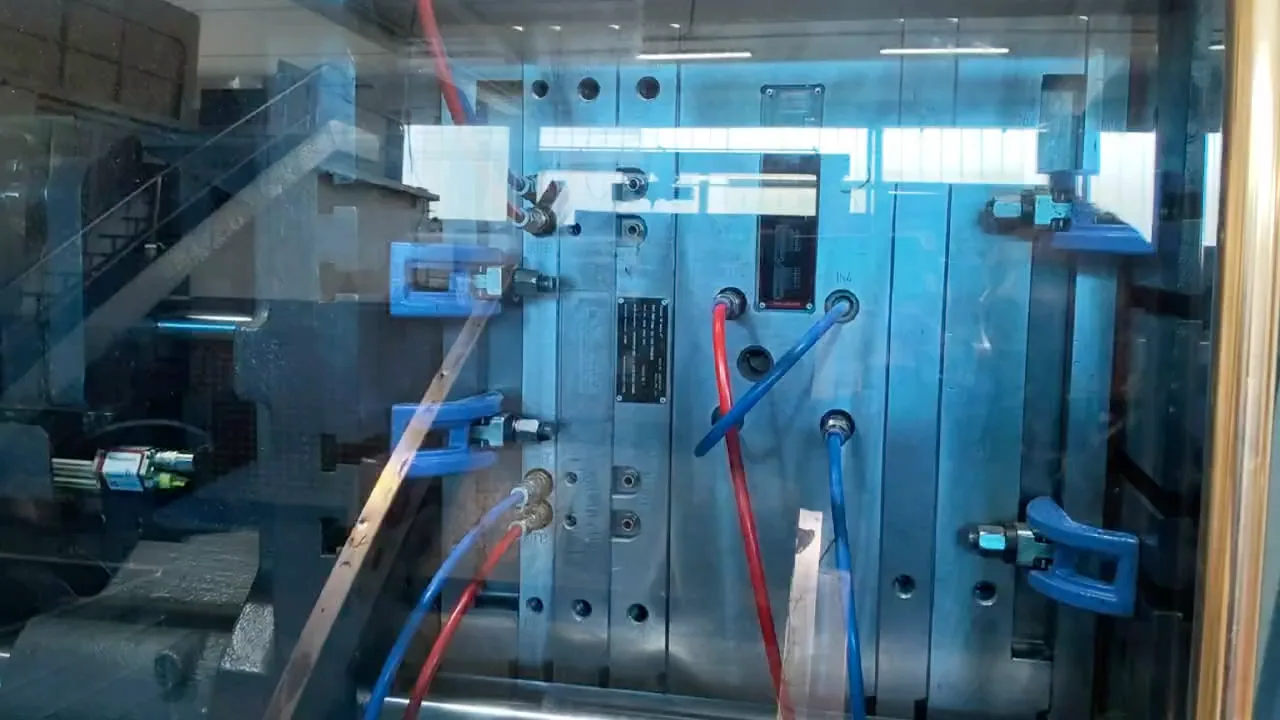
See how Arktech supports injection molding projects through production setup, mold trials, molded-part inspection and process validation before repeat production. Real production visuals show how tooling, process setup and part validation connect before ongoing supply.
Production molding for functional plastic parts, housings and OEM components after tooling, process and sample validation.
Prototype · Low Volume · Repeat Production
Tooling is trialed and molding conditions are reviewed before sample approval and repeat production.
Critical dimensions, appearance and fit can be reviewed against drawings and approved samples before production release.
View Quality & Documentation →Buyer Questions
Send available 3D CAD data, 2D drawings, resin or material requirements, expected volume, finish requirements, assembly needs and delivery region. Existing tooling information should also be included when applicable.
Upload CAD for DFM Review →Yes. Project planning can cover prototype validation, low-volume or bridge production and scalable production support. The suitable approach depends on part design, material, validation needs and expected volume.
Verified material families include ABS, PC, PC/ABS, PP, POM, PMMA, TPU, PA/Nylon, PBT, PPS, PPSU and PEEK. Final resin selection is reviewed against part function, environment, appearance, moldability and project requirements.
Yes. DFM review can cover wall thickness, draft, ribs, bosses, undercuts, parting lines, gating, ejection, shrinkage, tolerance and visible surface requirements before tooling release.
Insert molding and overmolding are supported when the part design, insert specification, material compatibility and required production method have been reviewed and confirmed.
Inspection is planned around agreed requirements and may include visual review, critical dimension checks, fit or assembly verification, surface review and comparison with customer drawings.
Start a Molding RFQ
Send CAD files, drawings, material requirements, expected volumes and any assembly or finish specifications for an engineering review.