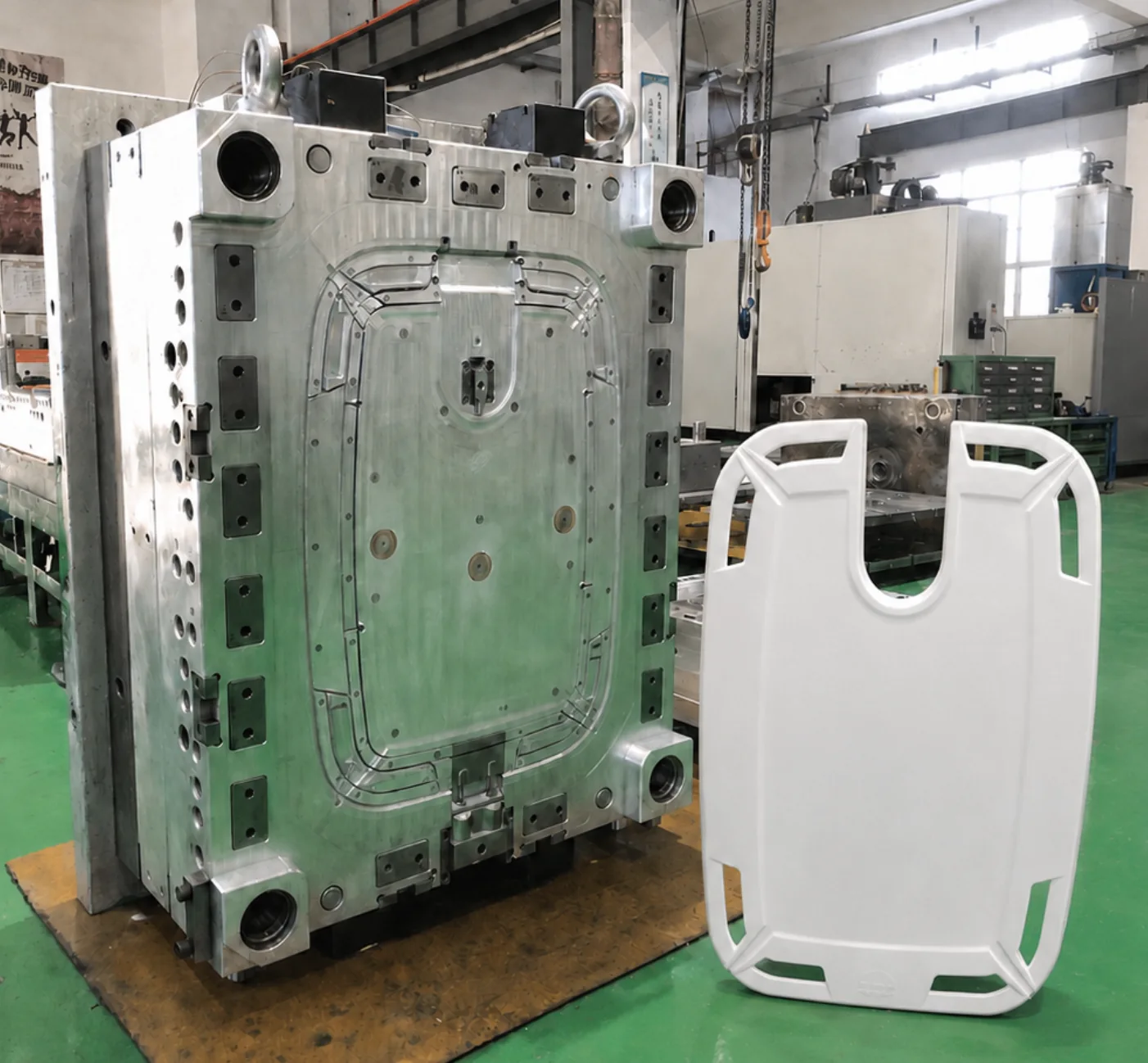
Prototype Injection Molding
Molded parts for functional, fit and assembly evaluation before production requirements are finalized.
- Design and assembly confirmation
- Material and sample requirements
- Tooling strategy for future production
Production Planning
From prototype builds to low-volume batches and repeat production, choose a molding route based on your project stage, tooling readiness and expected demand.
Three Production Options
The production route should follow the part, tooling and supply requirements rather than an arbitrary quantity threshold.
Molded parts for functional, fit and assembly evaluation before production requirements are finalized.
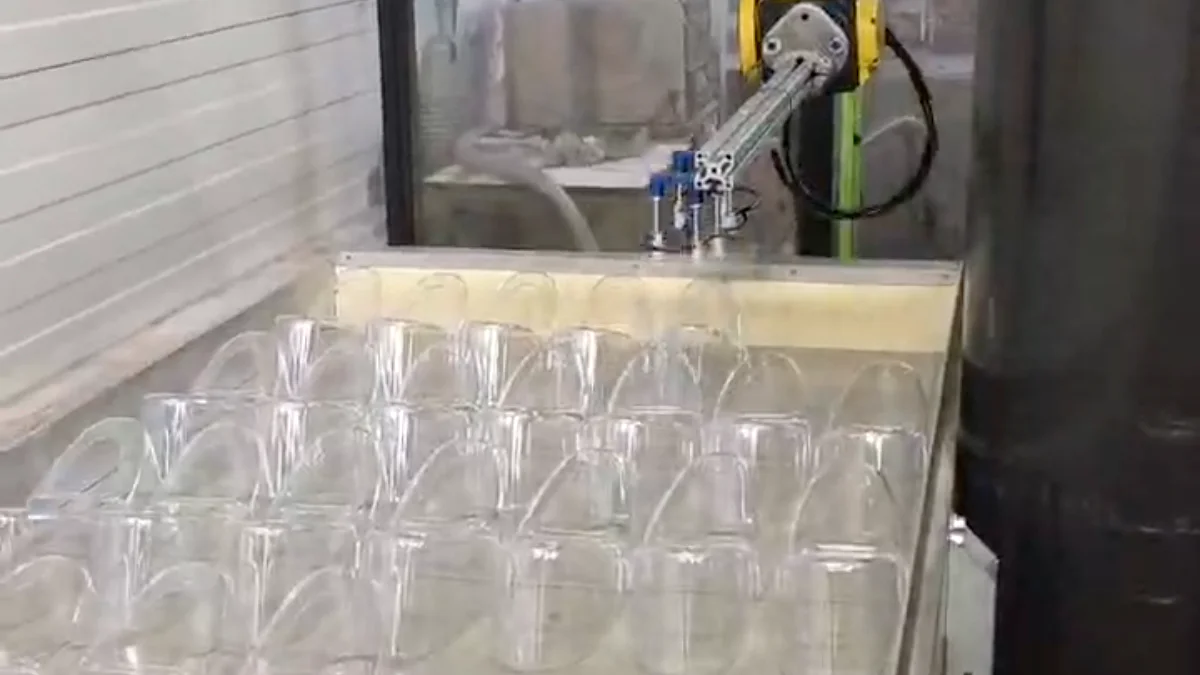
Controlled production batches for product launches, uncertain demand and service parts.
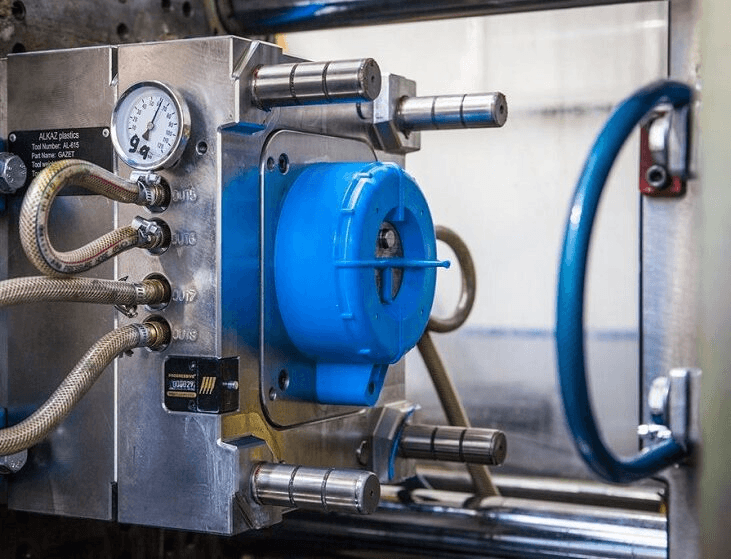
Repeat production planned around confirmed tooling, process control and recurring supply requirements.
Production Comparison
The practical differences depend on part geometry, tooling status and the requirements used to release each production stage.
| Decision Area | Prototype | Low Volume | Mass Production |
|---|---|---|---|
| Project Stage | Engineering evaluation | Launch, pilot or service demand | Released repeat program |
| Main Objective | Confirm fit, function and assembly | Supply controlled batches while demand develops | Support recurring production requirements |
| Tooling Readiness | Tooling strategy aligned with validation needs | Approved tooling prepared for repeat batches | Confirmed tooling and maintenance planning |
| Expected Demand | Sample and evaluation quantities | Intermittent or developing batch demand | Recurring demand and supply planning |
| Inspection Requirements | Sample and functional evaluation | Batch and repeatability checks | Agreed recurring production inspection |
| Scale-Up Considerations | Record design and tooling learning | Review material, process and supply stability | Plan process control, maintenance and recurring delivery |
Not sure which route fits your project?
Discuss Production Requirements →Decision Factors
The suitability of an existing mold for later production depends on its design, condition and the agreed production requirements.
Explore Injection Mold Manufacturing →Production Readiness
Projects may begin at different stages. Not every customer must proceed through all production options.
Production Evidence
Production planning includes the molding stage together with the agreed inspection, finishing and assembly scope.
Machine and tooling selection are reviewed around the actual mold, part and required production stage.
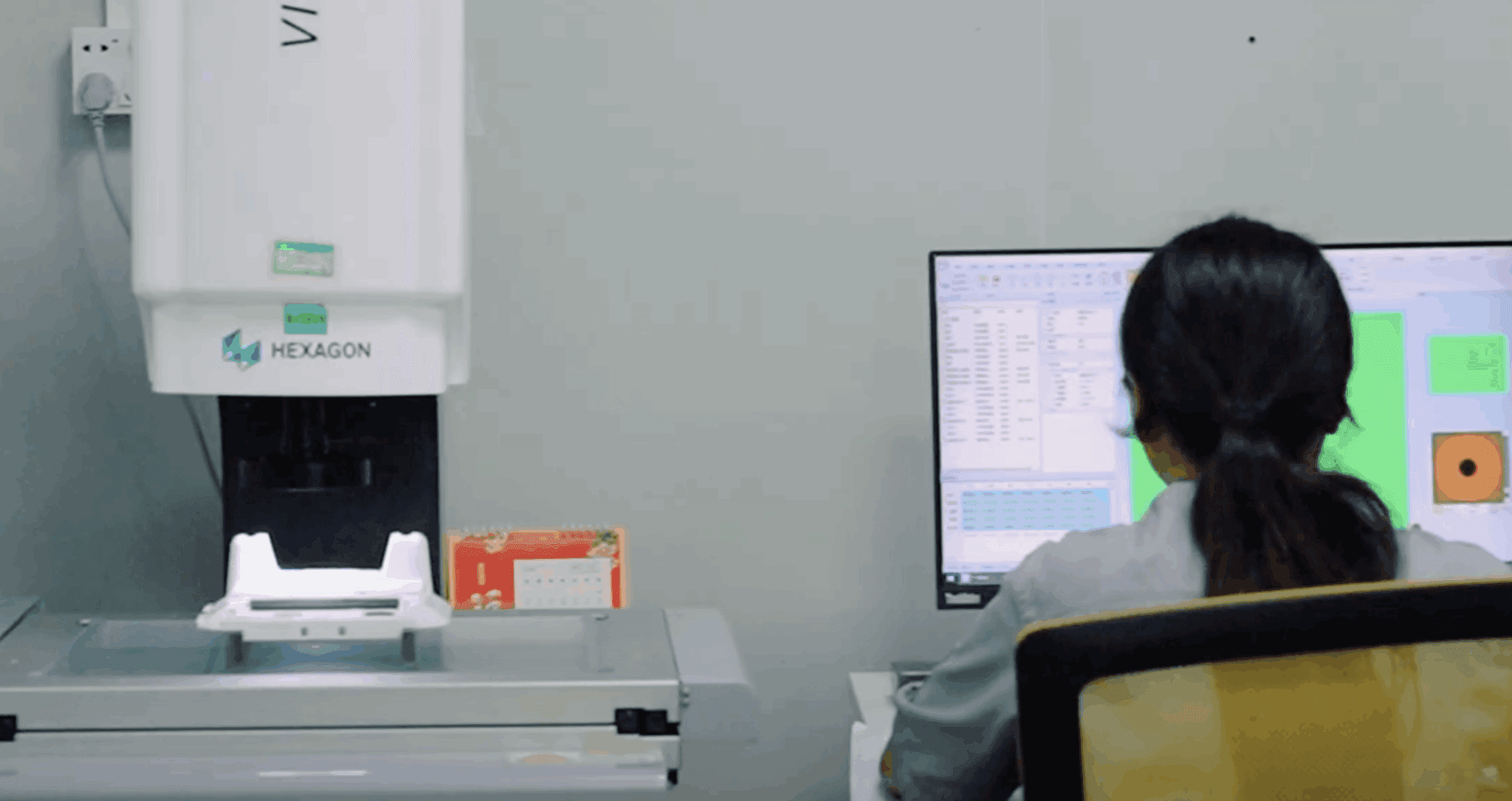
Inspection can progress from sample and functional evaluation to agreed batch and recurring-production checks.
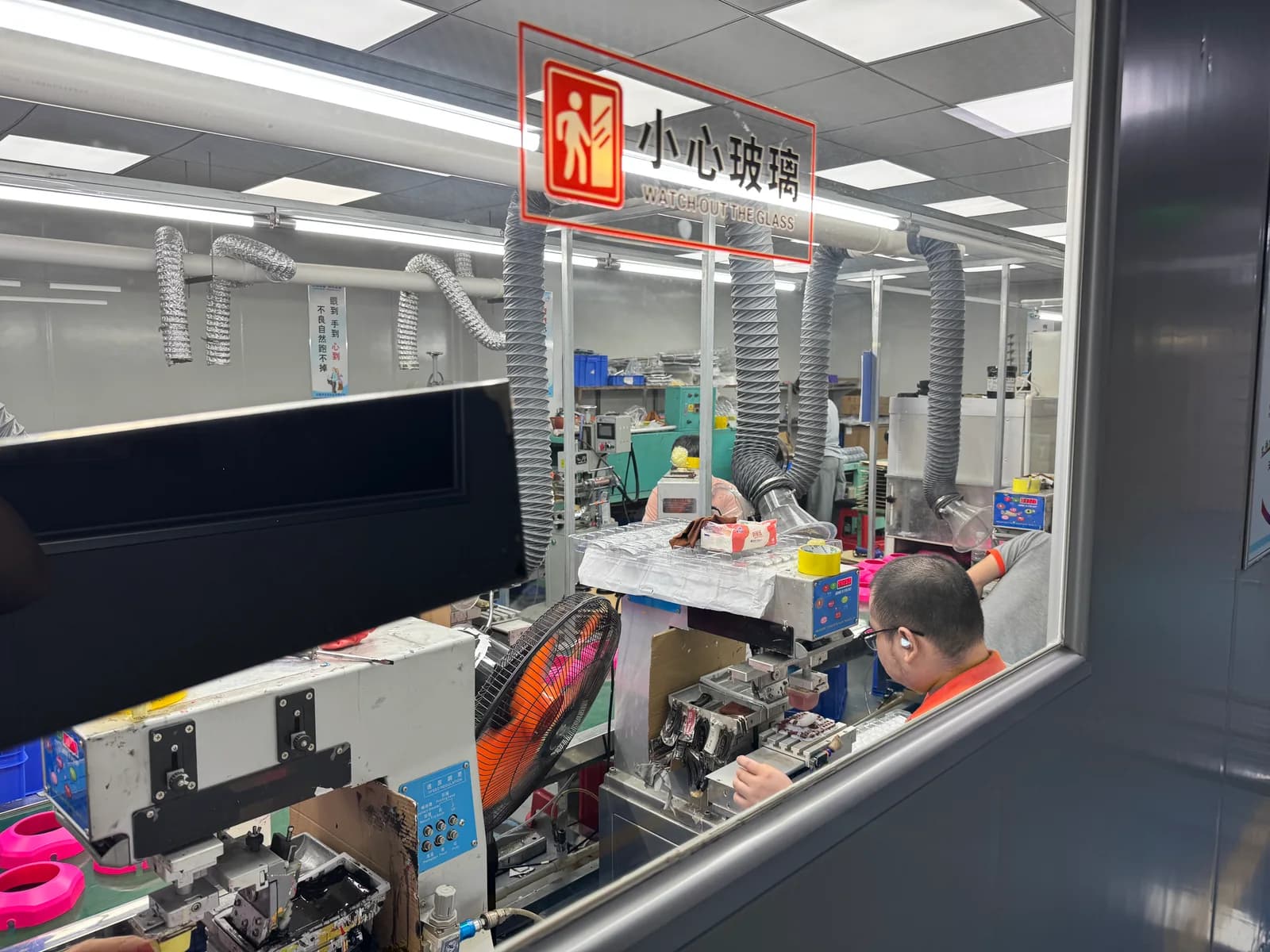
Confirmed secondary operations and assembly requirements can be planned with the selected production route.
Material and grade should be confirmed for the actual part and application. See the Material Selection Guide and review project-specific inspection records through Quality & Documentation.
Production FAQ
Low-volume production can suit launches, developing demand, service parts or controlled batches after the part, material, tooling and inspection requirements are sufficiently defined.
Possibly. The decision depends on the mold design, condition, material, cavity plan and the agreed future production, inspection and maintenance requirements.
Teams should confirm tooling and sample status, resin and color, critical dimensions, appearance, secondary operations, packaging and the expected repeat-demand pattern.
Yes, when the production scope is agreed and the approved tooling, samples and process conditions support the required molding program.
They are defined around the drawing, approved sample, project stage and delivery requirements. Not every project needs the same inspection or post-molding scope.
Start Your Production Review
Share your part files, material, tooling status, expected batch quantities and inspection requirements so we can review a suitable production route.