
Cure Behavior
Review material data, mold temperature and expected cure window.
Injection Mold Type
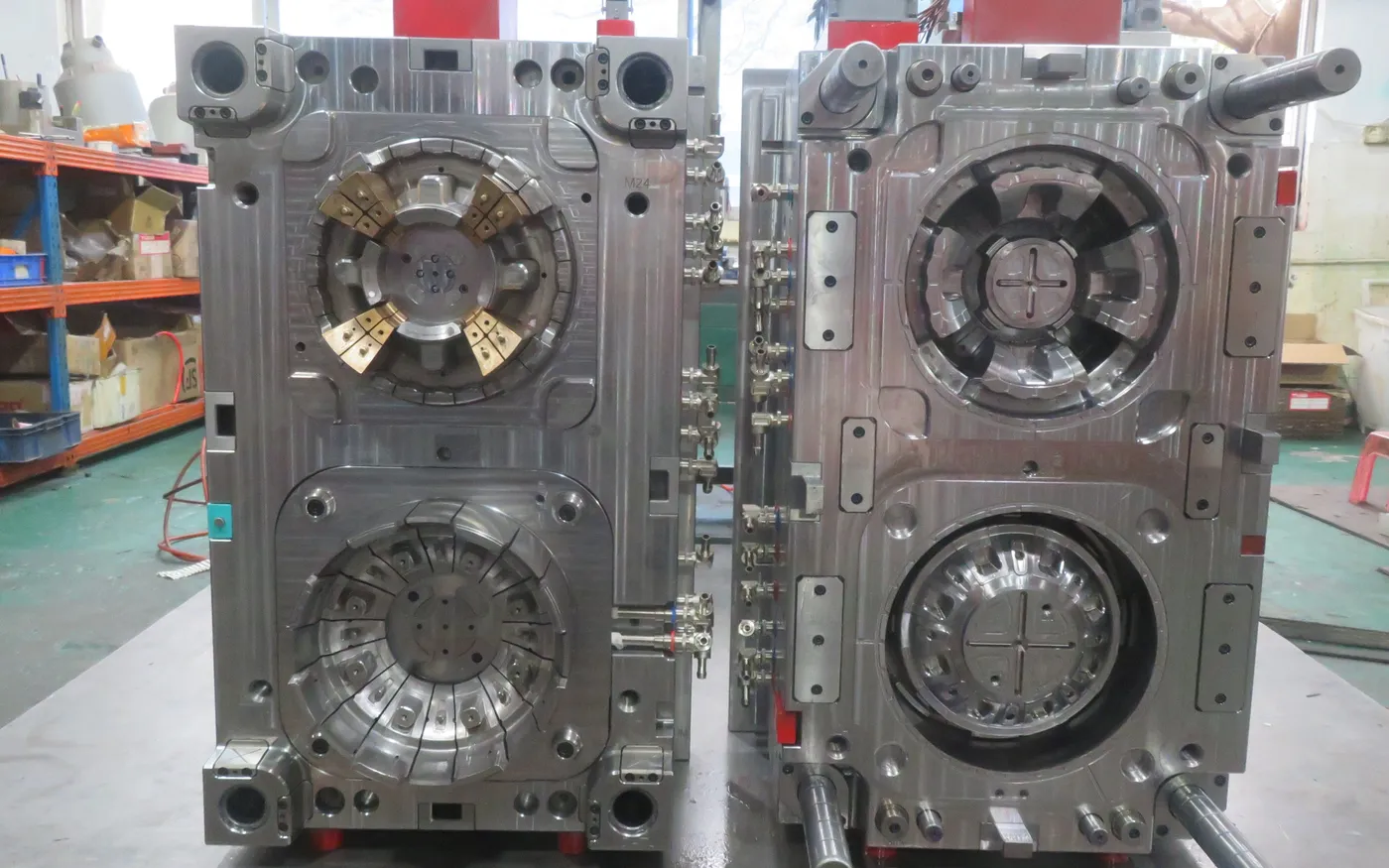
Thermoset tooling is developed around material cure behavior, mold temperature, venting, flash control and release requirements that differ from conventional thermoplastic molding.
What Makes This Tooling Different
Thermoset material cures irreversibly in the mold. Tool temperature, feed concept, venting and flash management therefore require a process-specific review rather than reusing a thermoplastic mold approach.
This tooling route should be selected from the part, material, production demand and receiving-machine requirements—not from a category name alone.
Selection Criteria
Verified thermoset material and process requirements
Heat-resistant or electrical part applications
Programs with suitable molding equipment and cure control
Type-Specific Engineering
Review material data, mold temperature and expected cure window.
Provide controlled gas release while limiting flash at fine sealing areas.
Select tool conditions around material abrasion and release.
Release cured parts without cracking critical or brittle geometry.
Critical Tooling Topic
The mold must achieve the required cure while keeping fine flash and trapped gas within the agreed product requirements.
Verified material data
Mold heating and temperature zones
Venting and sealing edges
Deflashing and handling expectations
Real Engineering Evidence
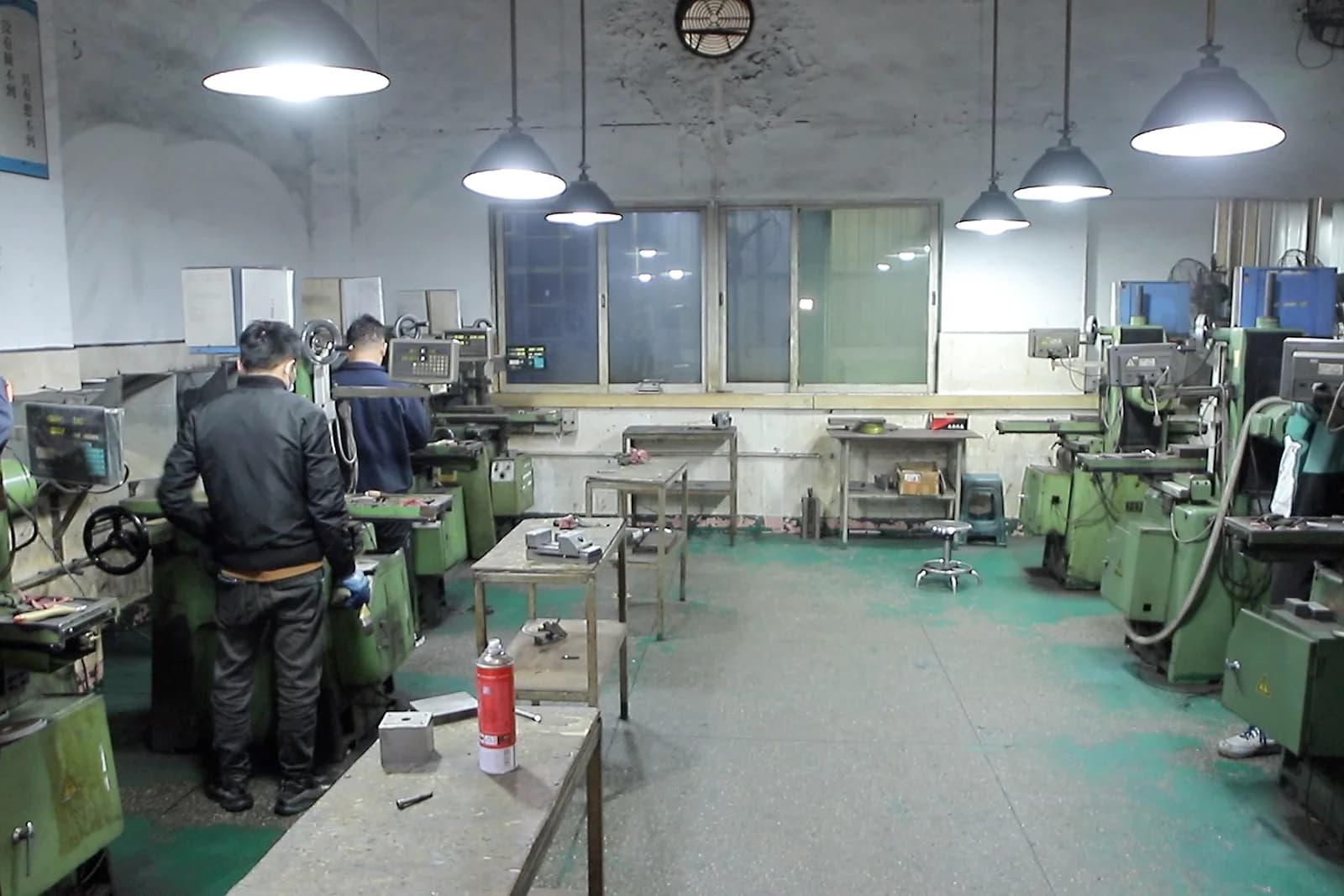
No verified page-specific thermoset project image is available. The visuals are labeled as real Arktech tooling and mold-component manufacturing only.
The current visual is intentionally described by what it actually shows; it is not presented as a verified page-specific project.
Trial & Validation
Review the molded state under the agreed material and process criteria.
Inspect thin sealing edges and define any allowed deflashing operation.
Measure critical features after the agreed conditioning stage.
Inspect cracks, chips and ejection marks on the cured component.
Related Capabilities
Project Inputs
FAQ
Thermoset material cures irreversibly in the tool, so temperature, cure time, venting, feed and flash behavior require a different process review.
Gas generated or displaced during filling and cure must escape through controlled vents without creating unacceptable flash or burn.
Verified resin data, cure and temperature guidance, shrinkage, handling and any electrical, thermal or appearance requirements are needed.
Project-specific checks may include cure condition, dimensions, flash, surface, release damage and relevant functional requirements.
Start Your Tooling Review
Send your CAD data, material, volume and receiving-machine requirements for DFM review and tooling quotation.