Development Stage
Define which product questions the prototype mold must answer before selecting its construction.
Injection Mold Type
Prototype injection molds produce molded parts in the intended resin for engineering validation, pilot builds and design learning before a program commits to repeat-production tooling.
What Makes This Tooling Different
Prototype tooling is a molding strategy, not a substitute for every prototype method. It is useful when production-intent resin, molded geometry and process behavior must be evaluated before higher-investment production tooling is released.
This tooling route should be selected from the part, material, production demand and receiving-machine requirements—not from a category name alone.
Selection Criteria
Functional testing in the intended molding resin
Pilot or bridge quantities before production tooling
Programs expecting controlled design changes after molded validation
Type-Specific Engineering
Define which product questions the prototype mold must answer before selecting its construction.
Use replaceable or steel-safe areas where likely engineering changes are already understood.
Align cavity count and tool life with validation quantity rather than future peak demand.
Record DFM and trial learning so it can inform the later production mold.
Critical Tooling Topic
The project should define what is temporary, what must represent production intent and which decisions carry into the next tool.
Intended resin and finish
Validation quantity
Expected design changes
Transfer of trial and inspection learning
Real Engineering Evidence
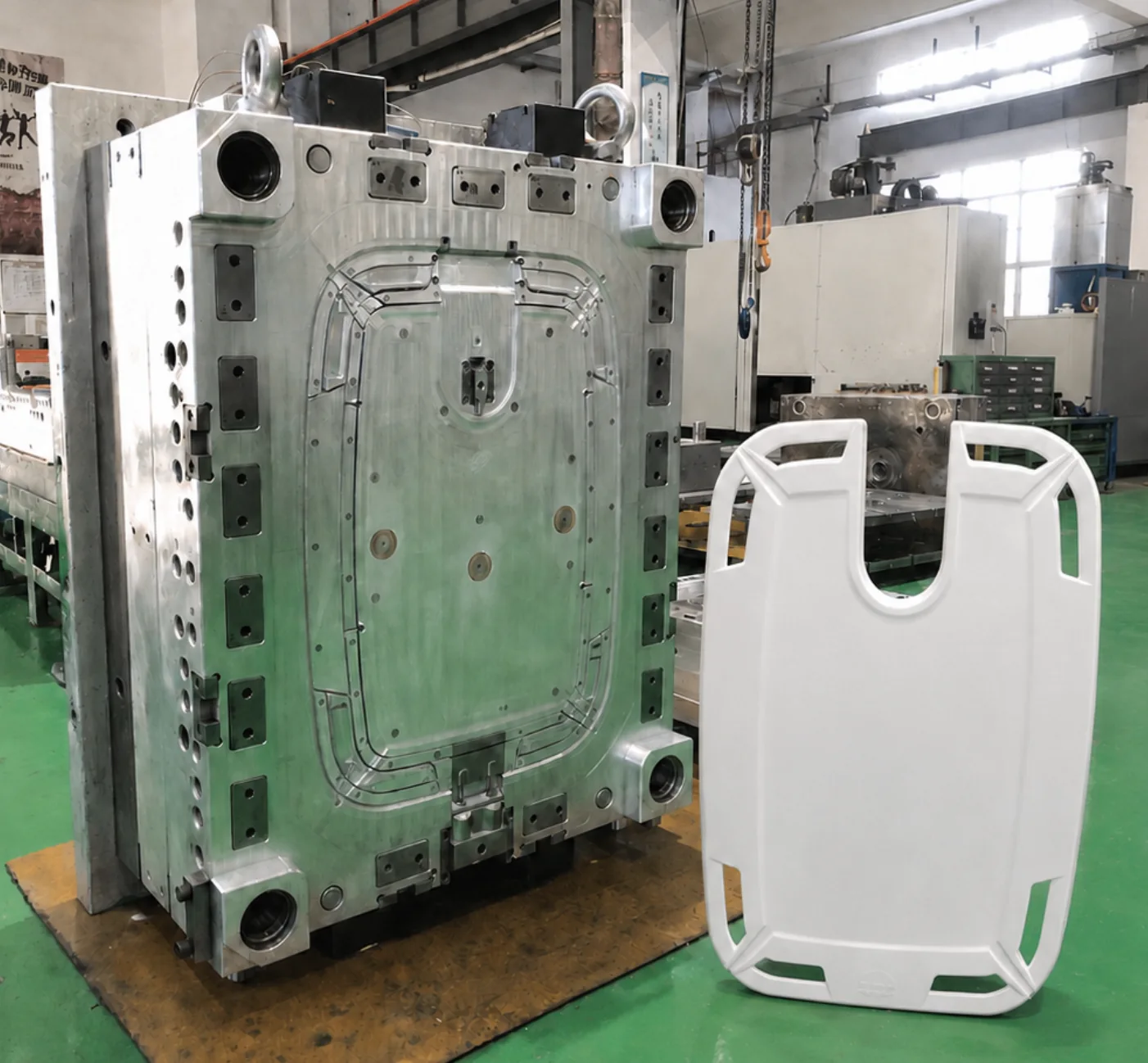
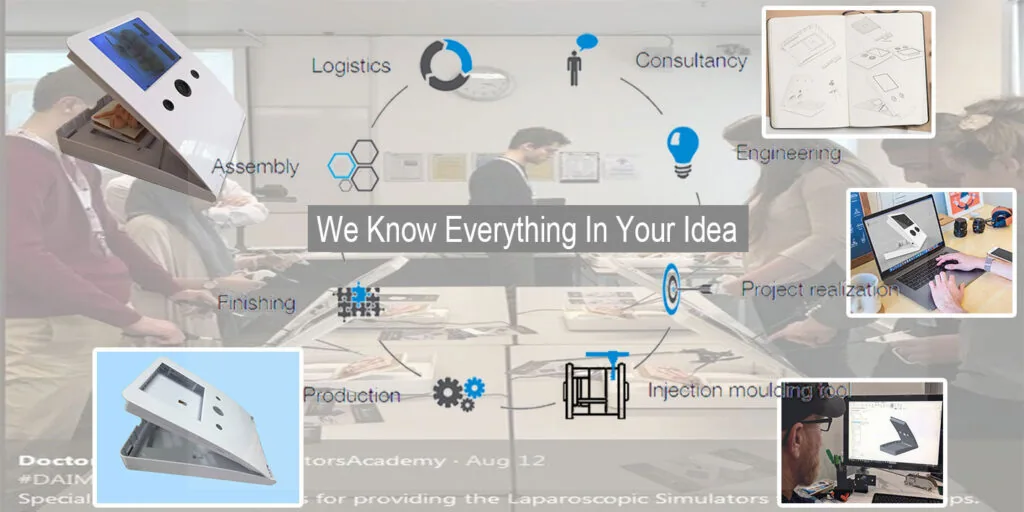
The hero shows an actual prototype injection mold with a molded part; the supporting image shows real product-development components used for manufacturing review.
Trial & Validation
Evaluate product function using molded samples in the intended material where possible.
Check mating interfaces and identify geometry changes before production tooling.
Review whether repeat samples support the required build or test plan.
Document product, tooling and process findings for the production transition.
Related Capabilities
Project Inputs
FAQ
It is tooling intended to produce injection-molded parts for engineering validation, pilot builds or early supply before a full repeat-production tool is justified.
No. Prototype injection molding forms parts in a mold using an injection process, while additive prototypes use a different manufacturing route and may not represent molded material or process behavior.
Corrections may be possible, especially when likely change areas were planned as inserts or steel-safe conditions. The scope depends on the actual geometry and change.
The transition is considered when design, material, functional testing and demand are sufficiently stable to define the production cavity count, tool life and automation requirements.
Start Your Tooling Review
Send your CAD data, material, volume and receiving-machine requirements for DFM review and tooling quotation.