
Mirror Polish
Define the required surface level and steel condition before final polishing.
Injection Mold Type
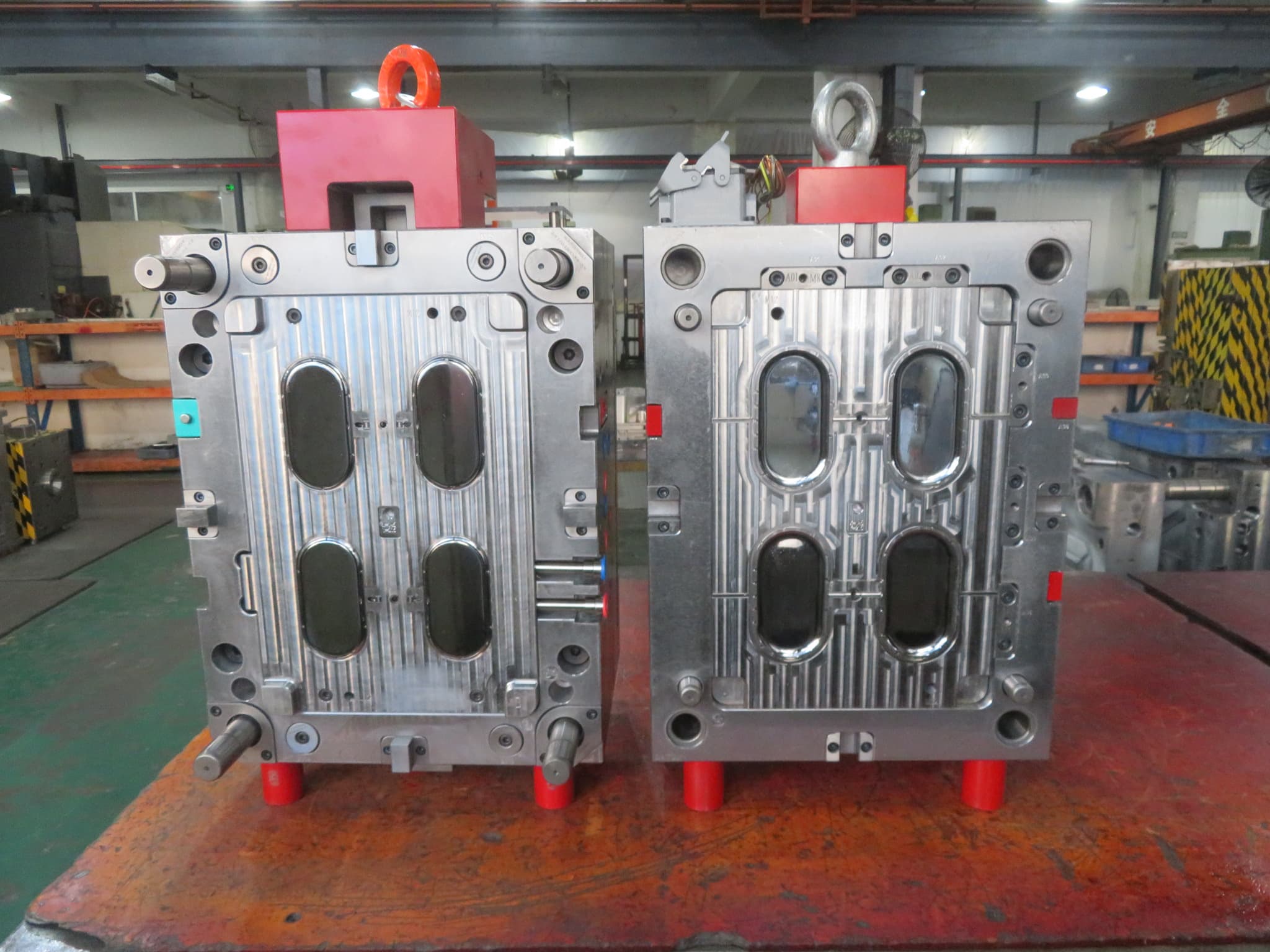
High-gloss tooling combines controlled steel surface preparation with gate, venting, parting-line and ejection decisions that protect visible molded surfaces.
What Makes This Tooling Different
A polished cavity alone does not guarantee an acceptable cosmetic part. Steel quality, gate position, venting, thermal control, release and handling all influence the visible result.
This tooling route should be selected from the part, material, production demand and receiving-machine requirements—not from a category name alone.
Selection Criteria
Visible housings, covers or panels with defined gloss targets
Parts where ejector, gate and parting marks must be controlled
Programs with an agreed cosmetic standard or approval sample
Type-Specific Engineering
Define the required surface level and steel condition before final polishing.
Place gates around flow, vestige and visible-surface requirements.
Keep witness lines and ejector effects away from appearance-critical zones where practical.
Manage trapped gas and protect polished steel through fitting, trial and handling.
Critical Tooling Topic
Visible zones need a shared review standard so tooling corrections are based on agreed evidence rather than subjective descriptions.
Defined Class-A or visible surface zones
Approved texture or gloss reference
Gate and weld-line visibility
Handling and packaging after molding

Real Engineering Evidence
The visuals show real mirror-polished mold cavities and actual cavity-polishing work; no optical-grade claim is implied.
Trial & Validation
Review the molded part under agreed lighting and viewing conditions.
Inspect visible surfaces for filling patterns, trapped gas and transition marks.
Confirm witness marks remain within the agreed cosmetic limits.
Check mold and sample handling before final approval and packing.
Related Capabilities
Project Inputs
FAQ
It is tooling prepared for molded parts with demanding visible-surface requirements, using suitable mold steel, surface finishing and a molding concept that controls cosmetic defects.
No. Resin, mold temperature, gate location, venting, filling behavior, release and surface handling also influence the molded appearance.
The project should define visible zones, reference standards, lighting or viewing conditions and acceptable witness marks before trial approval.
Their position and appearance can be managed through design, but complete elimination is not always realistic. DFM should define acceptable locations early.
Start Your Tooling Review
Send your CAD data, material, volume and receiving-machine requirements for DFM review and tooling quotation.